Uganda archive FAQ
What is the status of the Kasese palace killings?
Charges against King Mumbere and more than 200 guards were withdrawn in 2023, but no independent criminal judgment addressing alleged unlawful killings by security personnel was located.
What is the status of the Ggaba nursery school murders case?
Christopher Okello Onyum was convicted of murdering Gideon Eteku, Kaise Alungat, Ignatius Sserwange and Ryan Odeke and received death sentences on April 30, 2026. He filed an appeal in June; no final appellate judgment was located by September 13, 2026.
What was the outcome of the Nagirinya and Kitayimbwa case?
Six participants were convicted through one guilty plea and a later High Court trial. One co-accused was acquitted for insufficient evidence, and an appeal by Kasolo Coporiyamu remained without a located final public judgment.
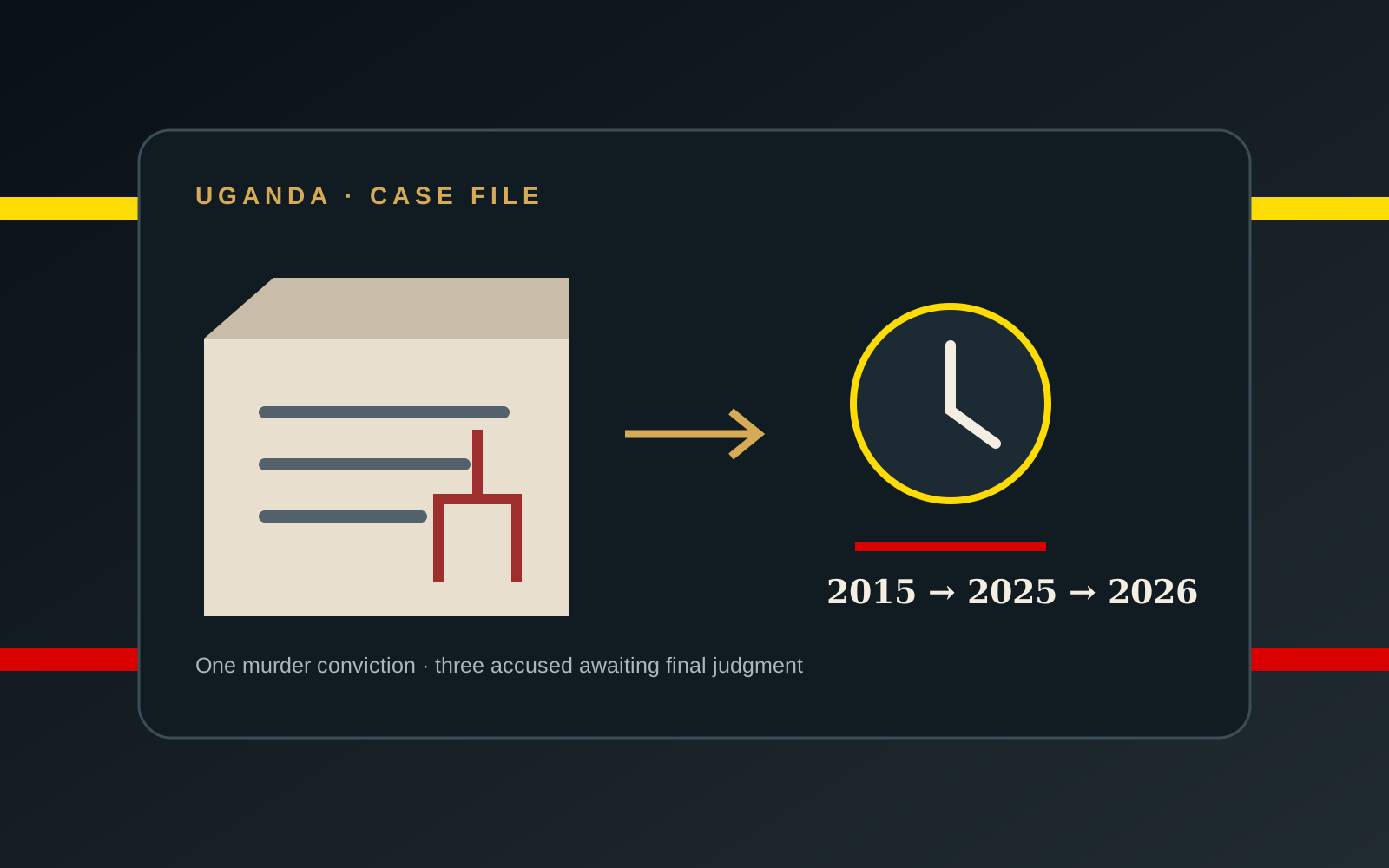
What happened to Joan Kagezi?
The Ugandan prosecutor was shot in Kiwatule, Kampala, on March 30, 2015. One participant pleaded guilty to murder in 2025; three co-accused were ordered to defend themselves on the murder charge in July 2026.
Is the wider Kagezi case complete?
No. A final verdict for the three continuing defendants and a judicially established identity for whoever commissioned the killing were not located by September 13, 2026.
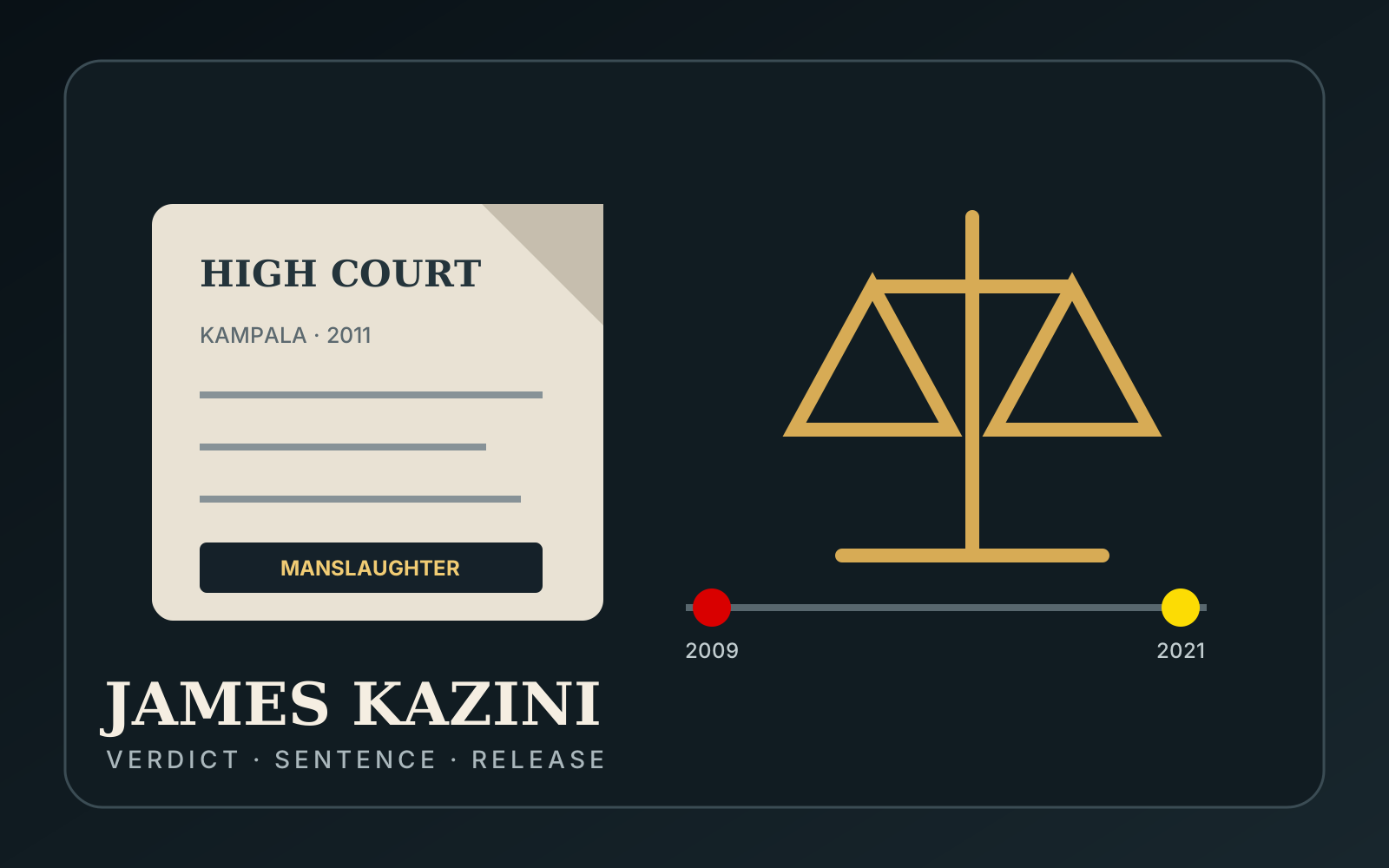
What happened to James Kazini?
The retired major general was killed at Lydia Draru's Kampala home on November 10, 2009. The High Court convicted Draru of manslaughter after finding that murder was not proved beyond reasonable doubt.
What was the sentence and later status?
Draru received 14 years in 2011. The state appealed, but no final appellate ruling was located; Ugandan reporting records her release on January 12, 2021 after remission.
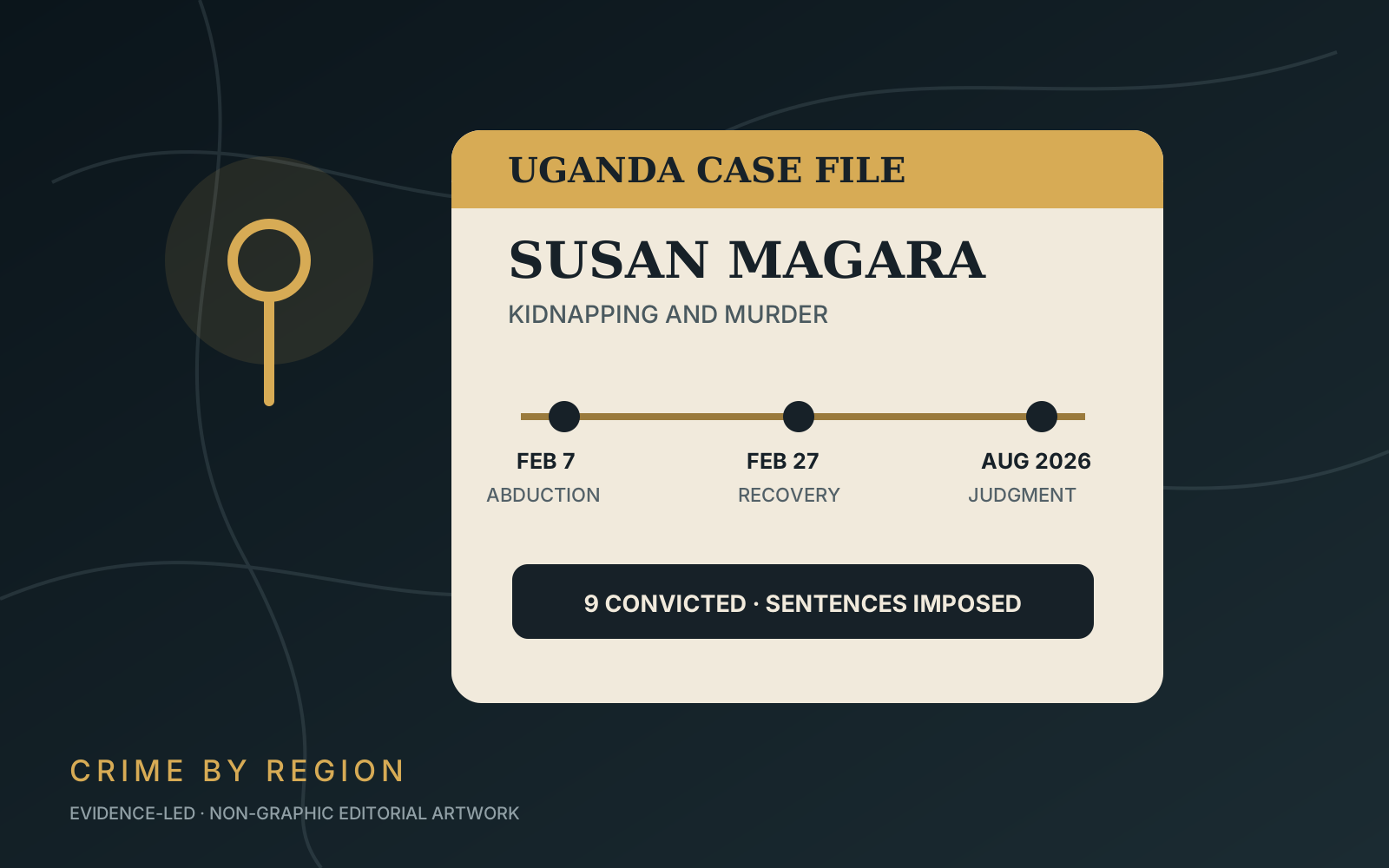
What happened to Susan Magara?
She was abducted in Kampala on February 7, 2018, held for ransom and killed. Her body was recovered in Wakiso District on February 27.
What was the 2026 court outcome?
Nine defendants were convicted of kidnapping for ransom and murder. Two received death sentences and seven received life imprisonment; the sentences are not described as executions.
What happened in the Kanungu case?
Hundreds died in March 2000 at the Kanungu compound of the Movement for the Restoration of the Ten Commandments of God and at other linked sites. An initial mass-suicide account shifted toward suspected mass murder as more bodies were found.
Was anyone prosecuted for Kanungu?
No prosecution or conviction was located. Warrants were issued for Movement leaders, but their fates and the precise sequence across the sites remained unresolved.
What case is currently documented?
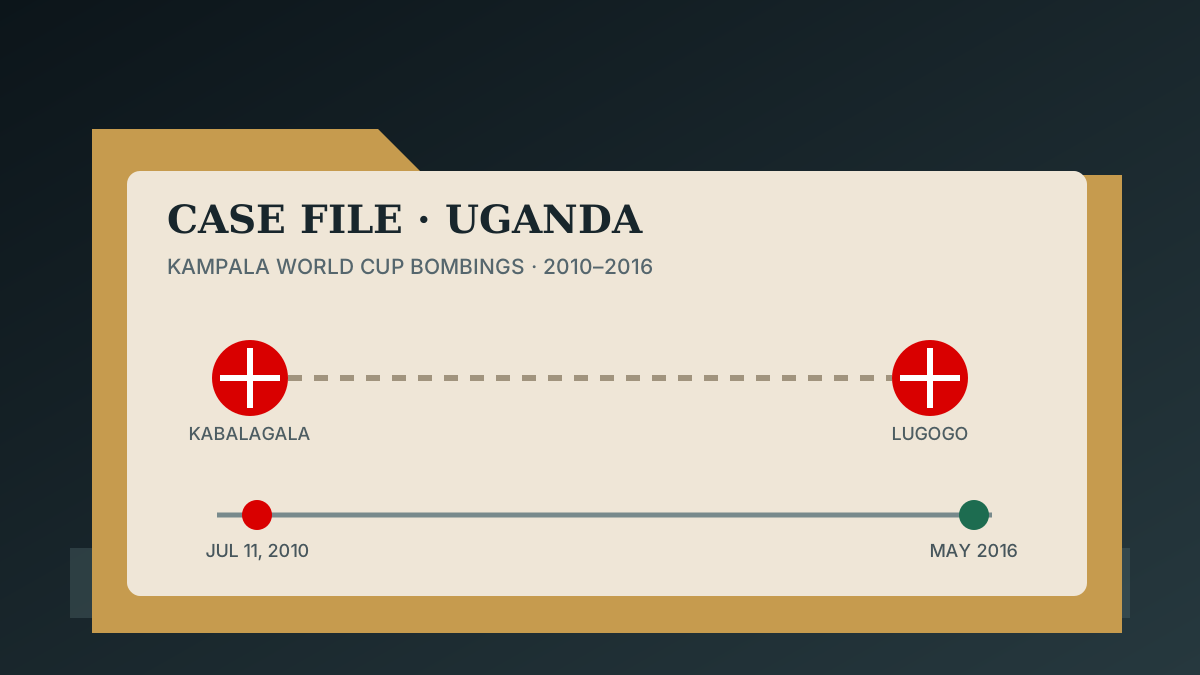
The archive begins with the July 11, 2010 Kampala bombings, which struck spectators watching the World Cup final at the Ethiopian Village restaurant in Kabalagala and Kyadondo Rugby Club.
How many people were killed?
The 2016 High Court record and Reuters reported 76 deaths. The Institute for Security Studies reported 74. Because reputable records differ, the case page identifies which figure belongs to which source instead of presenting the discrepancy as resolved.
What did the High Court decide?
Seven defendants were convicted of the core terrorism, murder and attempted-murder offences. Five received life sentences and two received 50-year terms. An eighth man convicted as an accessory received community service after lengthy pretrial detention.
Were defendants acquitted?
Yes. The Uganda Judiciary reported that five defendants were acquitted because the court found no evidence on the record linking them to the bombings.
Was an appeal filed?
Daily Monitor reported that the seven principal convicts filed a notice of appeal in June 2016. No reliable public ruling resolving that appeal was located in the source review completed on September 12, 2026, so this archive does not claim a later appellate result.
Why classify the case as adjudicated?
The label reflects verified convictions and sentences, not a claim that every investigative or appellate question is complete. The acquittals, procedural criticism and limits of the public record remain explicit.