How this archive is classified
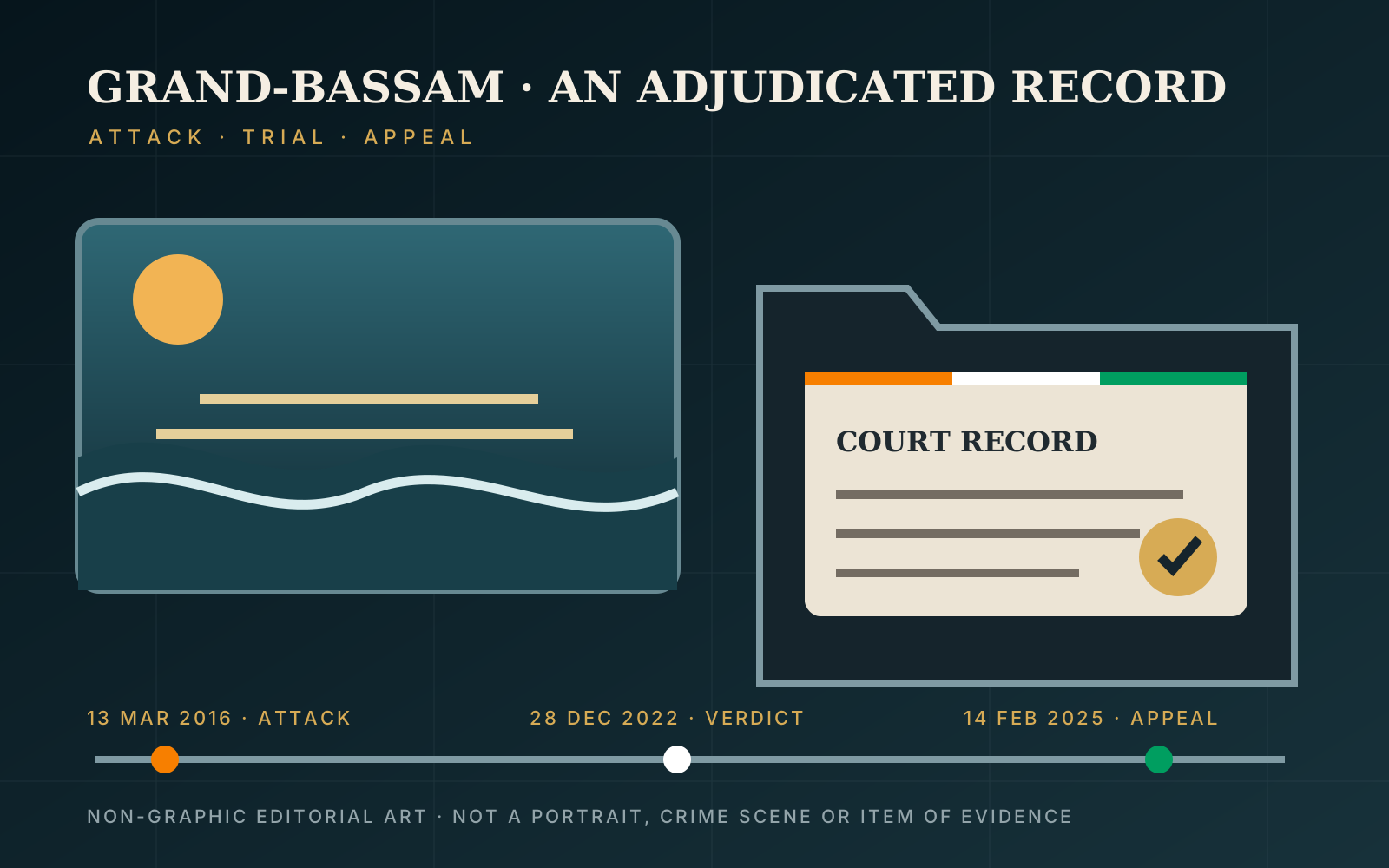
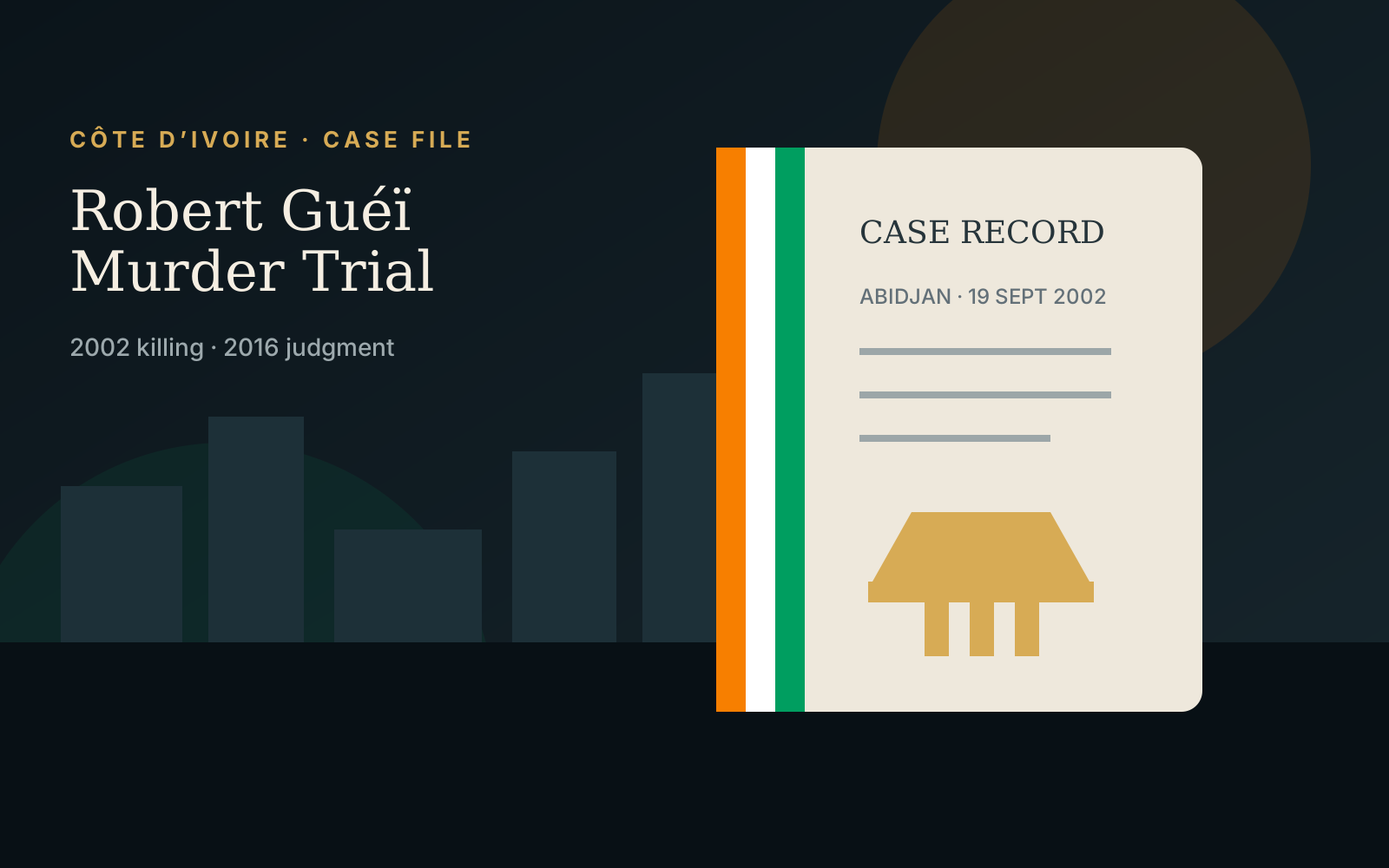
“Solved / adjudicated” is applied only where a court established responsibility. It covers the bounded convictions in the Grand-Bassam and Robert Guéï files and Amadé Ouérémi’s 2021 life sentence for Duékoué; it does not imply that every participant, commander or political sponsor was adjudicated.
What is established?
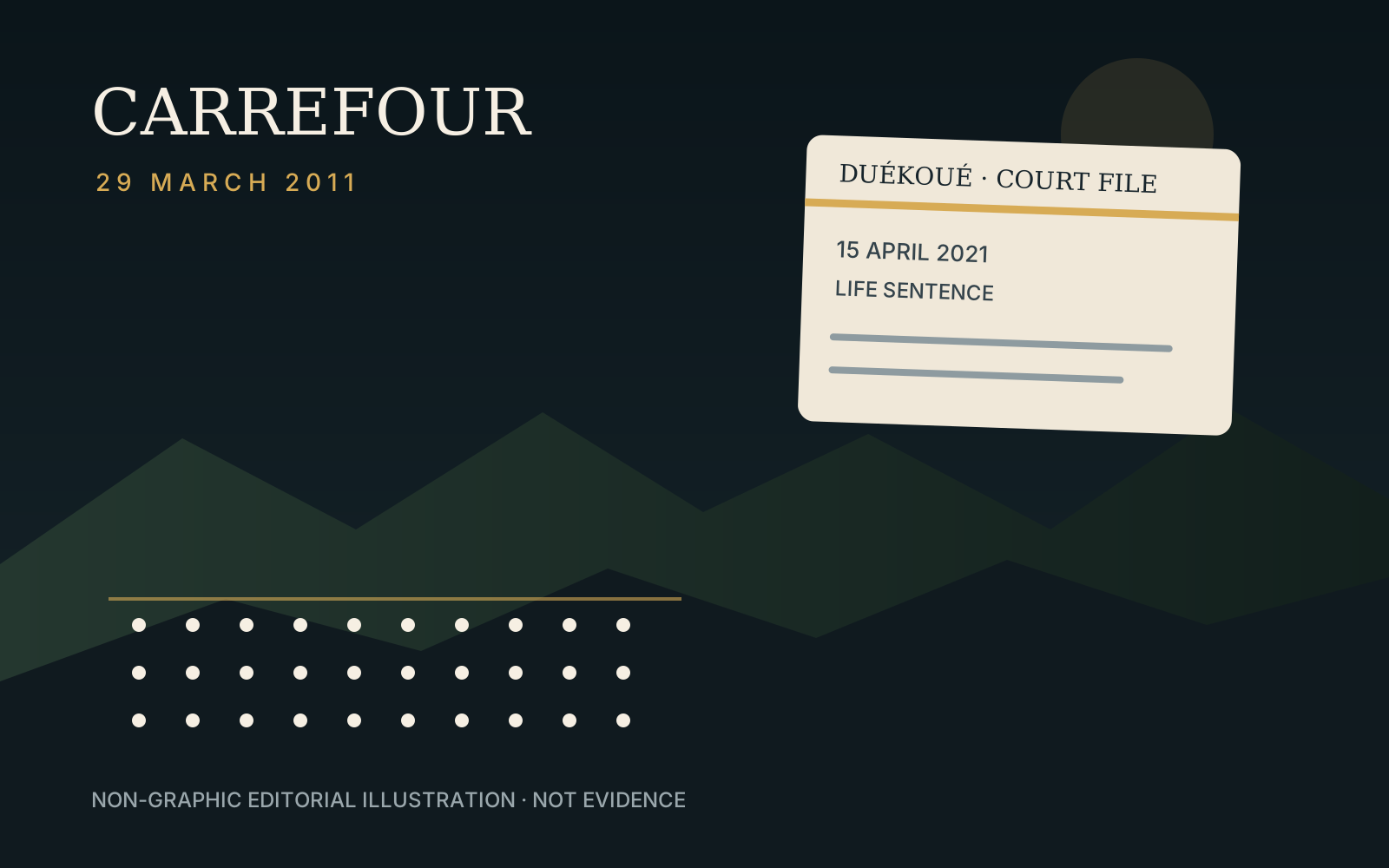
The eight files rely on court records, rights investigations and independent reporting. For Duékoué, sources agree that mass killings occurred in the Carrefour district in late March 2011, while the United Nations and Red Cross published materially different tolls. A court sentenced Amadé Ouérémi to life imprisonment on April 15, 2021.
What remains bounded?
The archive attributes every toll and allegation. Ouérémi’s conviction did not comprehensively resolve responsibility across the forces, militias and commanders implicated in reporting. The same discipline applies to the Grand-Bassam network, the Guéï murder and Kieffer’s disappearance.
Why these eight files?
Each has a nationally consequential event, identifiable procedural or investigative stages and enough independent sourcing for a substantive file without rumor, graphic reconstruction or artificial fragmentation.
Why use the official name Côte d’Ivoire?
The country formally asks to be known internationally as Côte d’Ivoire. “Ivory Coast” is retained only as an alternate search term so readers can find the same archive without creating a competing route.
Côte d’Ivoire archive FAQ
How many case files are published?
Crime by Region currently publishes eight verified Côte d’Ivoire case files.
Which cases are included?
The archive includes Yopougon, Duékoué, Grand-Bassam, the Guéï and Hélène murders, Kieffer’s disappearance, the Abobo women’s march killings and the Nahibly camp attack.
Why is it marked solved or adjudicated?
For Duékoué, Amadé Ouérémi received a life sentence in 2021. Separate judgments established bounded responsibility in the Grand-Bassam and Robert Guéï files.
Does that mean every alleged organizer was tried in person?
No. The archive treats every conviction as defendant- and charge-specific; wider operational or command responsibility may remain unresolved.
Why do Duékoué death tolls differ?
The United Nations reported approximately 300 deaths in the town, while the Red Cross recorded more than 800. The archive preserves those attributed figures instead of merging them.
Which cases remain unresolved?
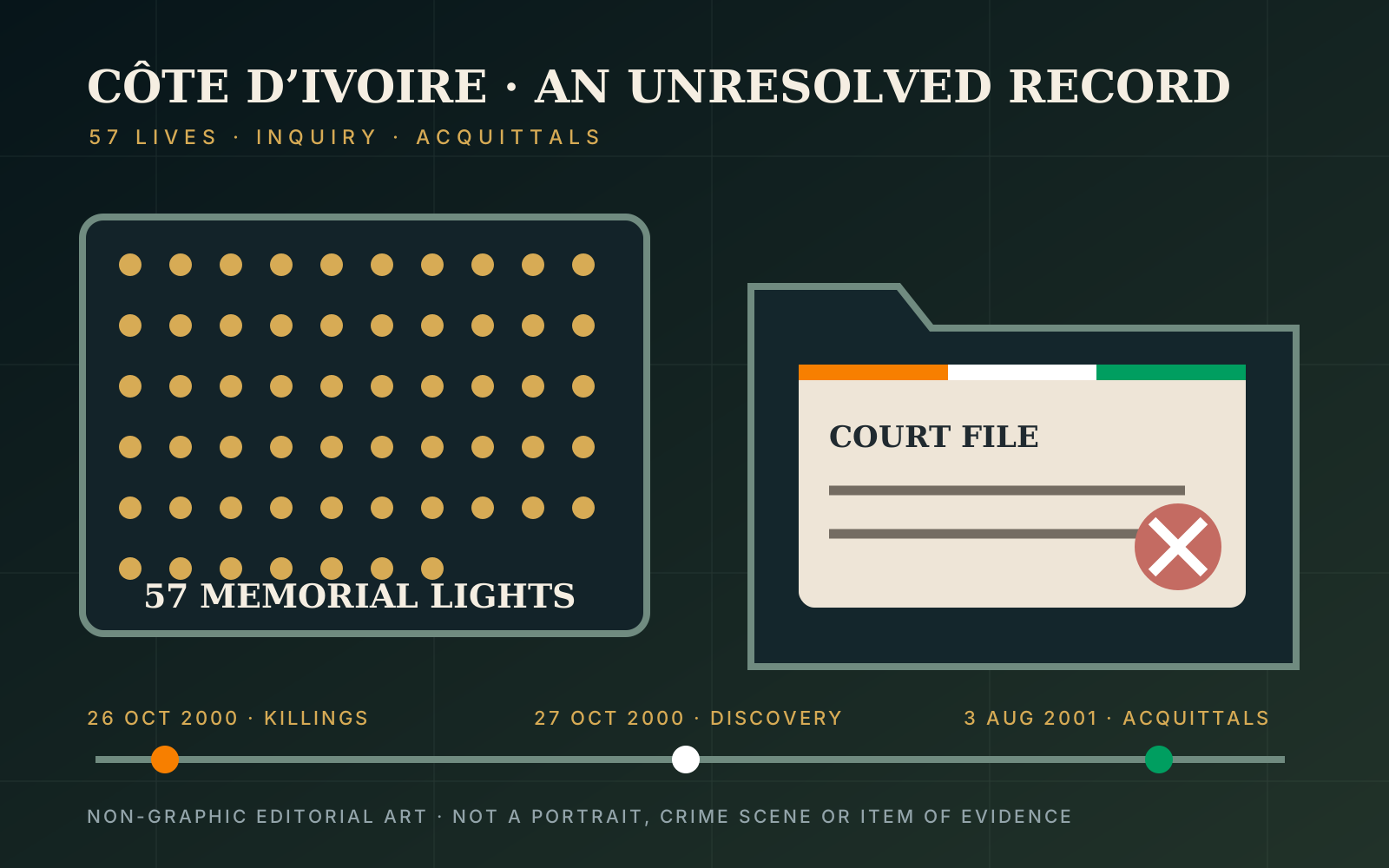
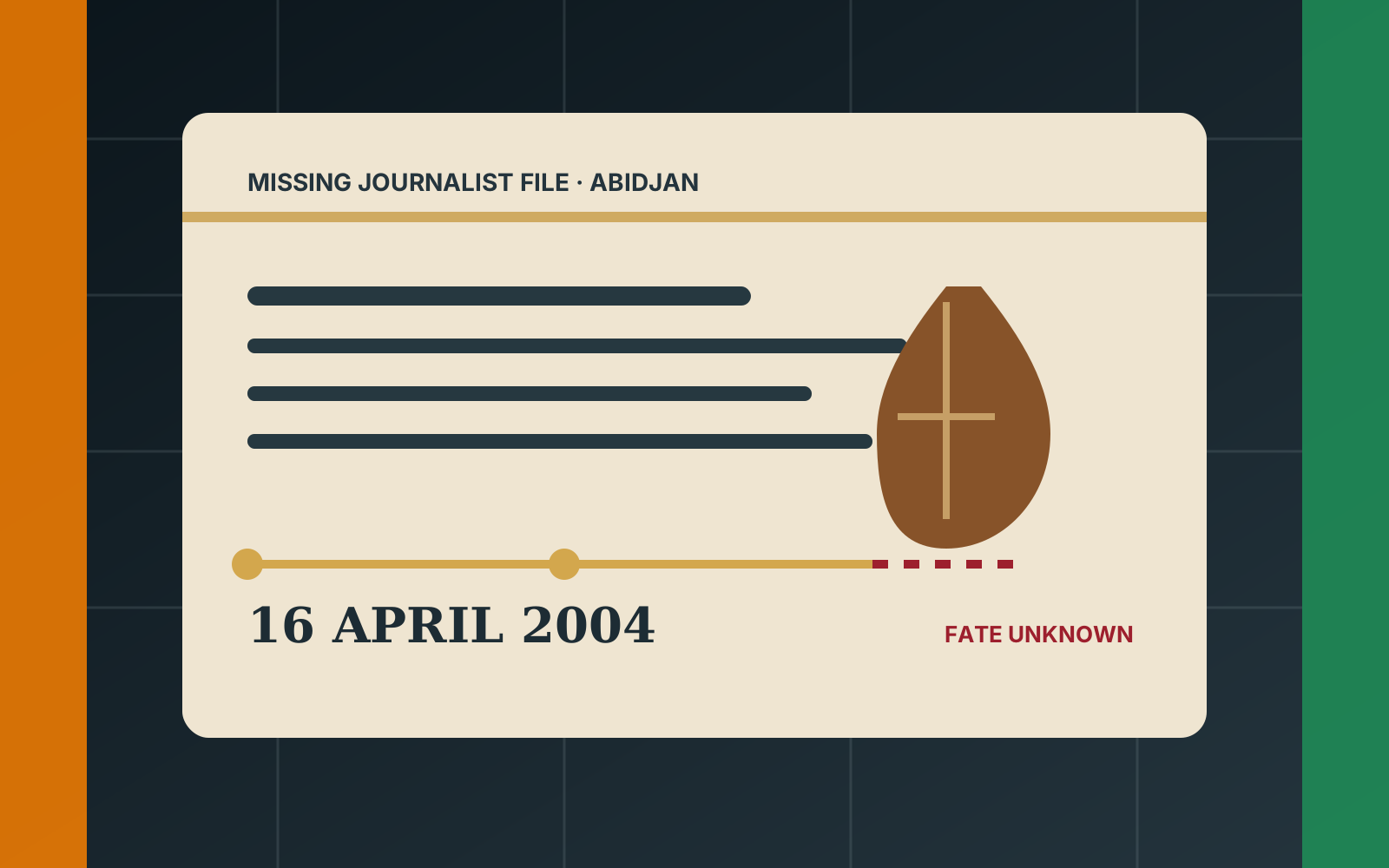
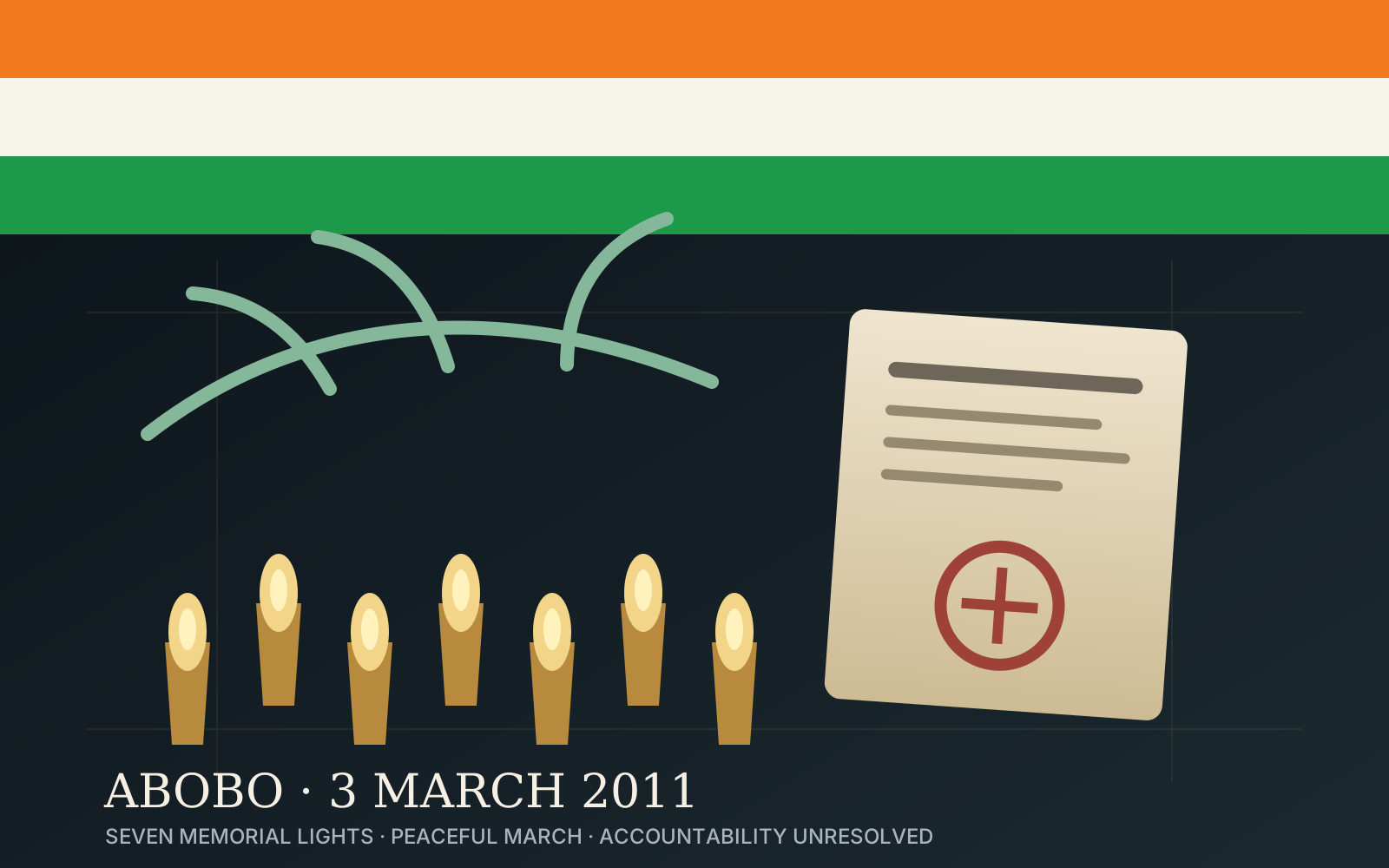
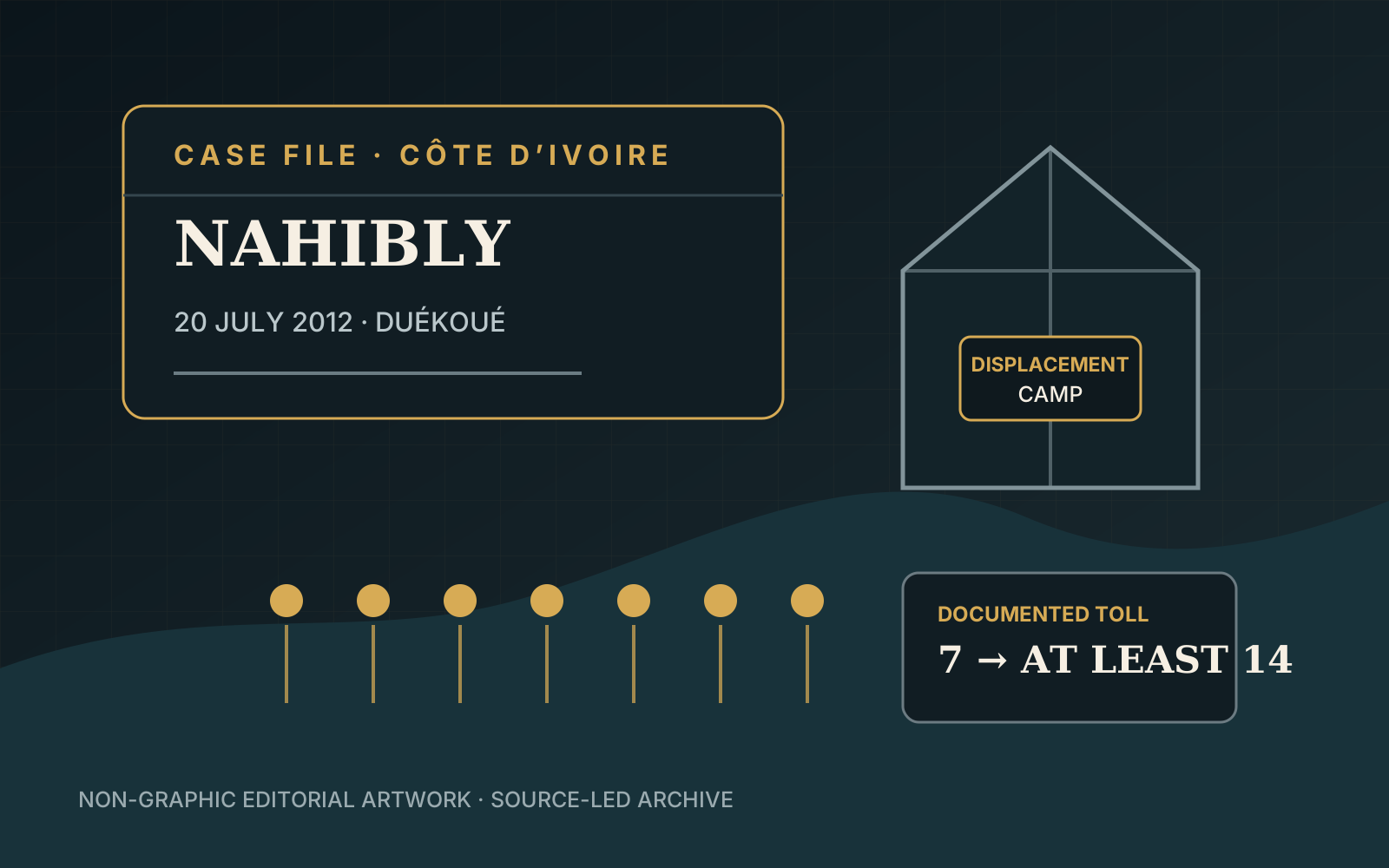
Guy-André Kieffer remains missing, and no individual conviction was located for the Abobo women’s march killings, the Nahibly camp attack or the 57 Yopougon killings.
← Return to all country archives