Ghana archive FAQ
What is the status of the Georgina Asor Botchwey case?
Her remains were recovered in September 2022. Christopher Ekow Clark Quansah and Michael Darko pleaded not guilty to conspiracy and murder in 2024; no reliable final judgment was located through September 14, 2026.
What happened to J.B. Danquah-Adu?
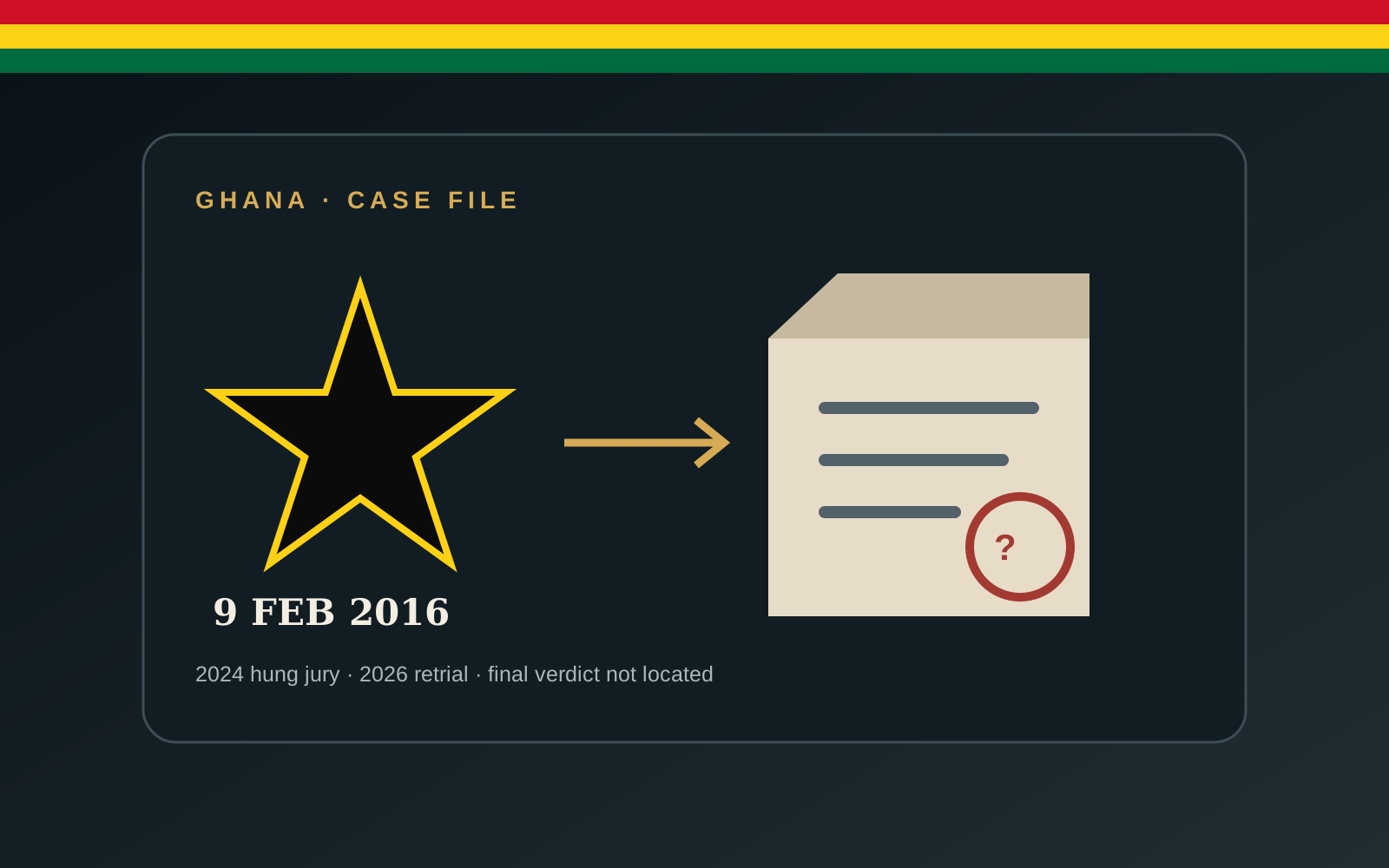
The sitting MP was killed at his Accra home on February 9, 2016. Vincent Bosso was acquitted in 2024; Daniel Asiedu faced a retrial after a 4–3 jury split did not produce a valid verdict.
Was anyone convicted?
No final murder conviction was located by September 13, 2026. Asiedu pleaded not guilty when the High Court retook his plea in June 2026.
What happened to Ishmael Mensah Abdallah?
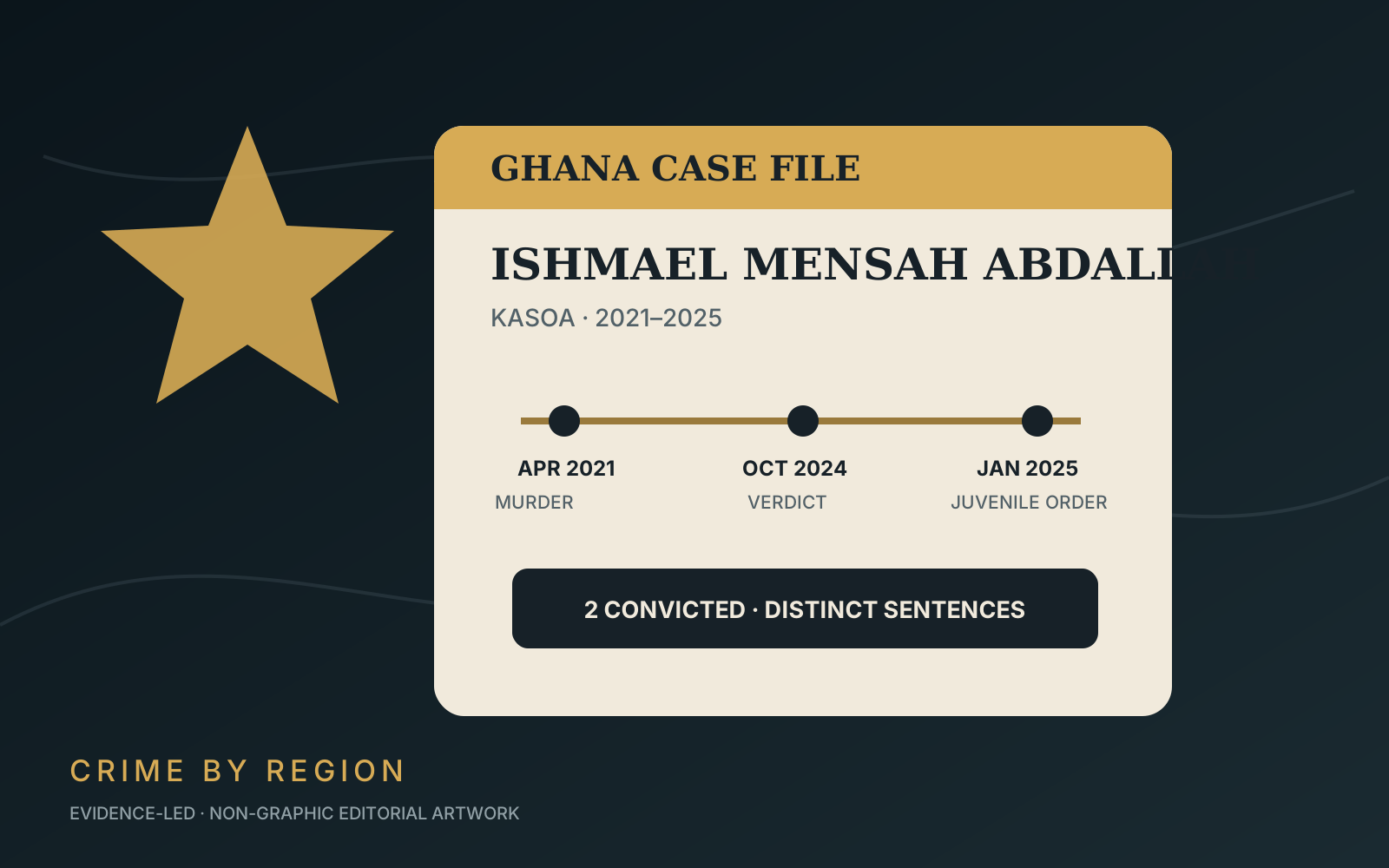
The ten-year-old was killed in Kasoa on April 3, 2021. Two defendants were convicted in October 2024. Nicholas Kini received life imprisonment; the juvenile defendant received a 12-month correctional sentence in January 2025.
Why is the case often called a “ritual murder”?
The phrase reflects the prosecution's alleged-motive theory and common reporting language. It does not validate supernatural claims, and this archive treats it as an allegation rather than an established phenomenon.
Was anyone convicted of murdering Yaa-Naa Yakubu Andani II?
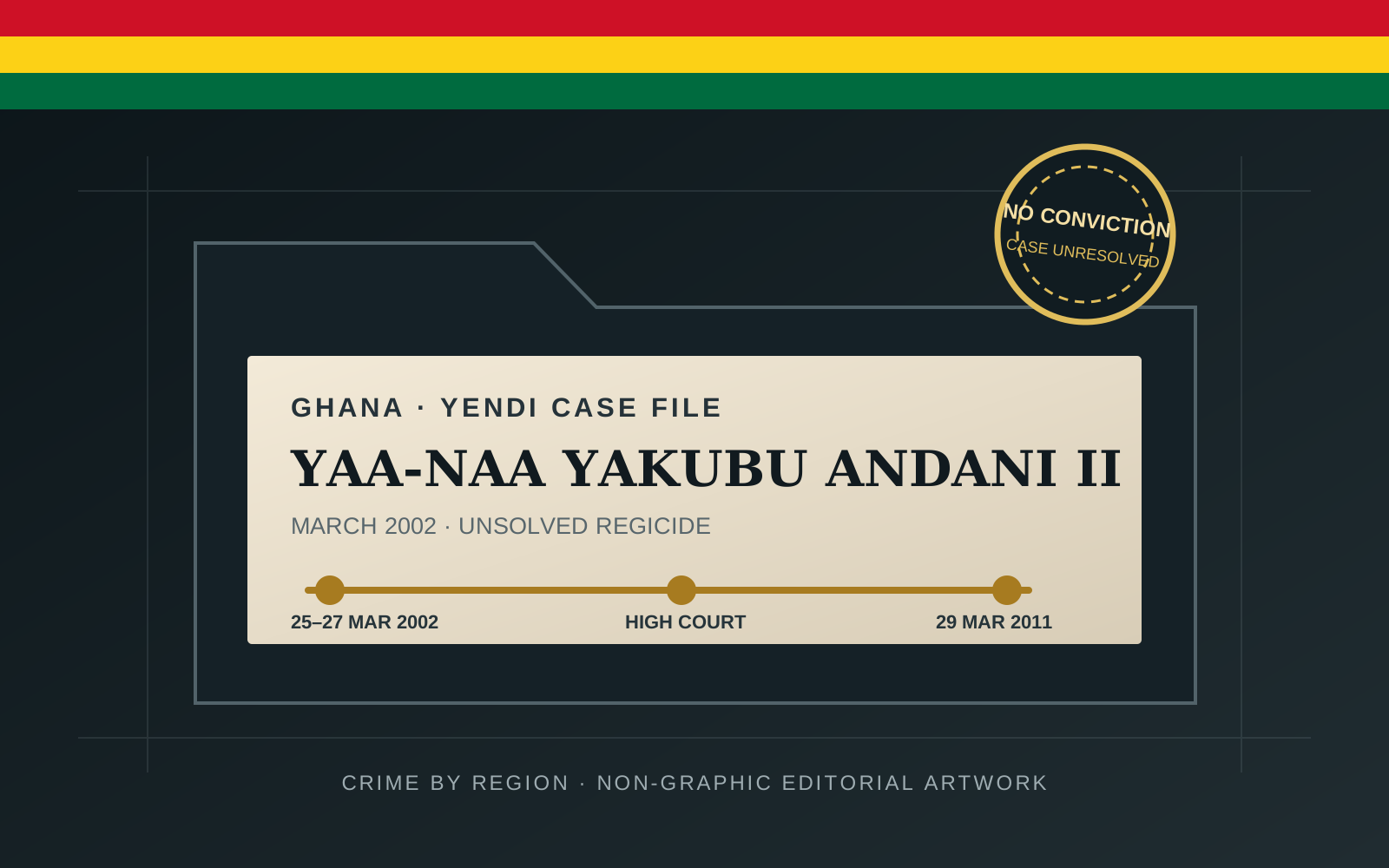
No murder conviction was located. Fifteen defendants were acquitted at the no-case stage in 2011; the decision did not identify who killed the king.
Which cases are currently documented?
The archive documents the murder of journalist Ahmed Hussein-Suale, the Four Takoradi Girls case and the murder of Major Maxwell Adam Mahama. Both have verified judicial outcomes, with later sentence or appellate developments explicitly bounded.
Was anyone convicted of killing Ahmed Hussein-Suale?
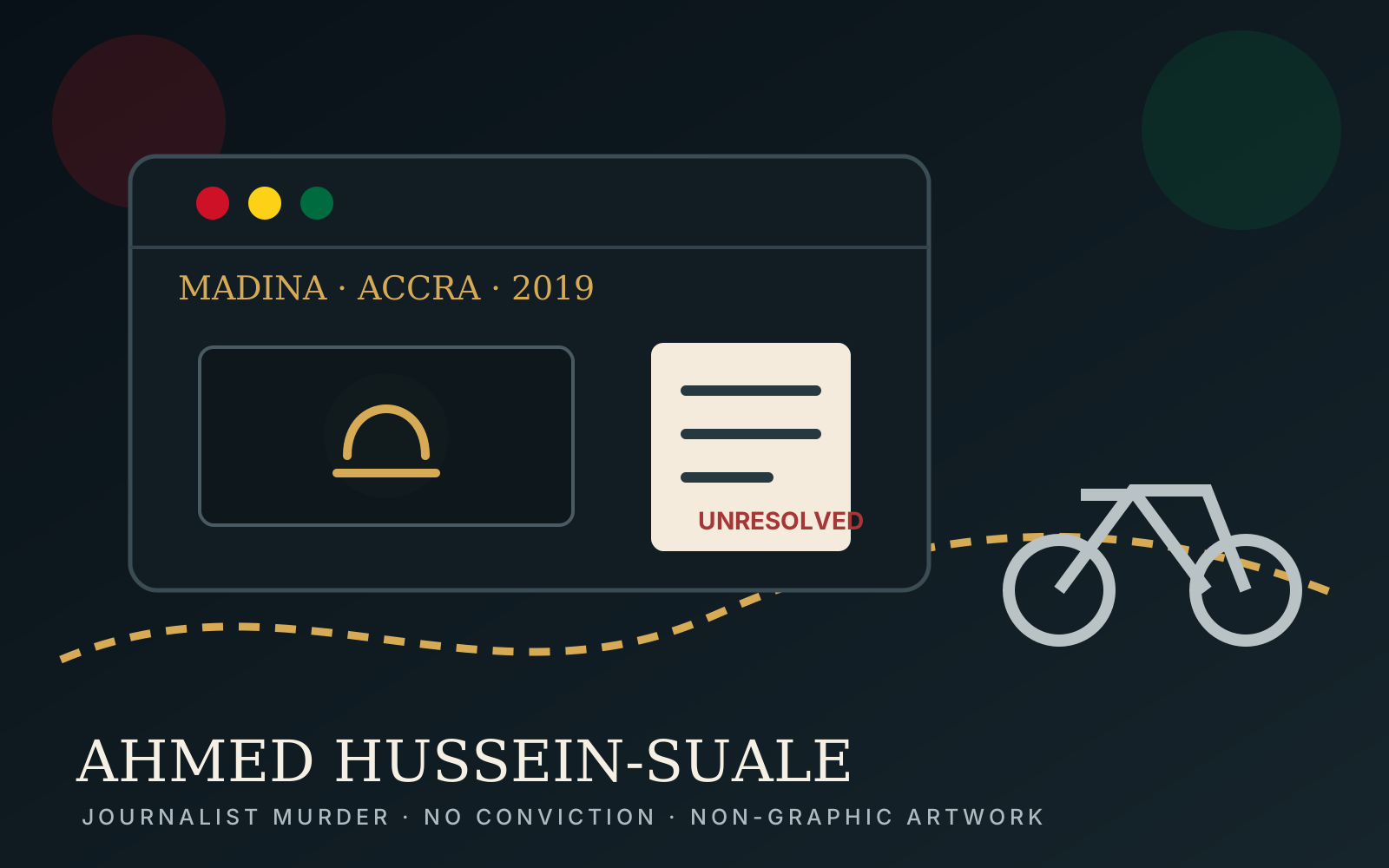
No. Daniel Owusu Koranteng was charged in 2025 but discharged on October 14 after the Attorney-General concluded that the evidence did not meet the threshold for prosecution. The gunmen remained unidentified.
Who was convicted in the Four Takoradi Girls case?
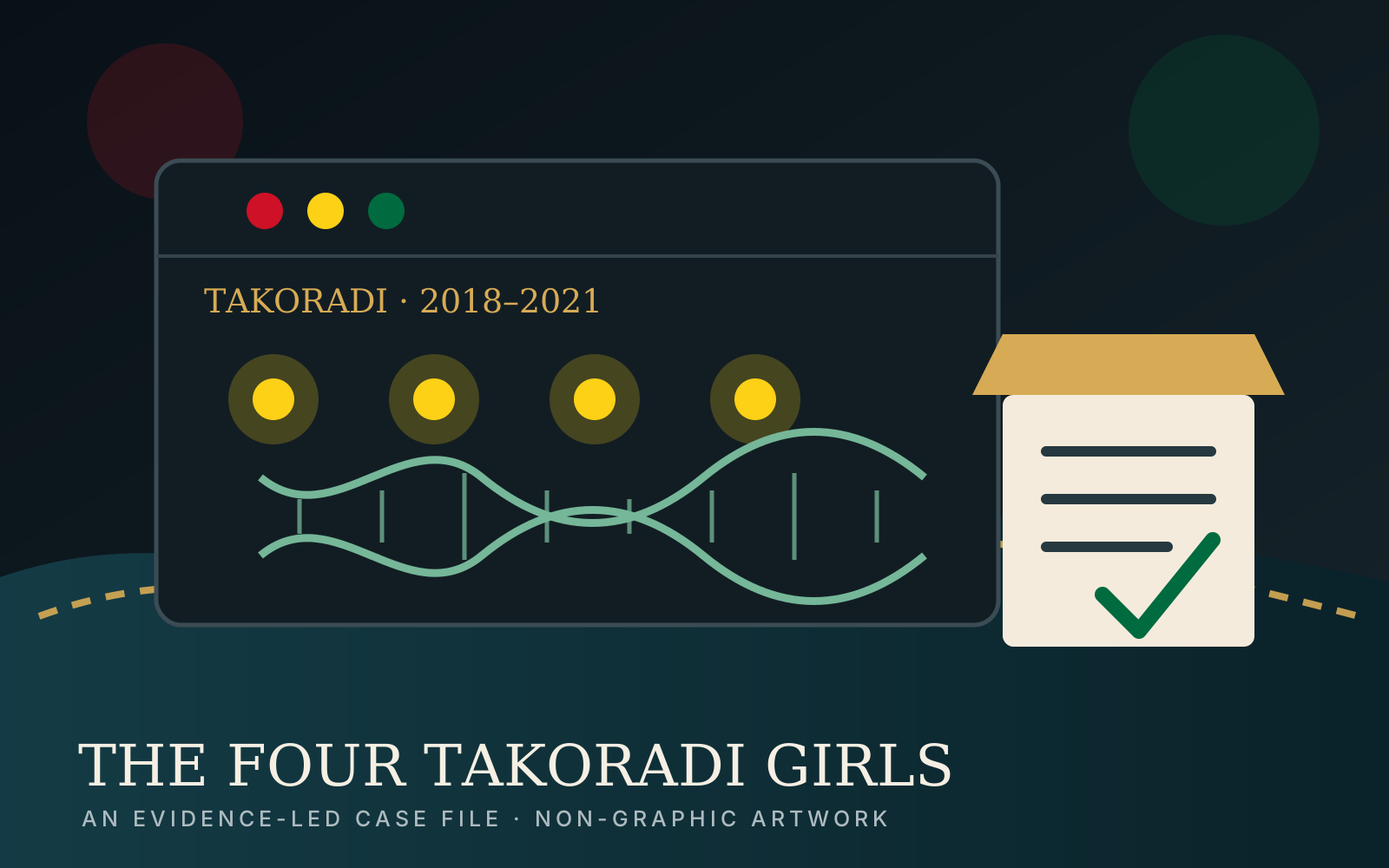
Samuel Udoetuk Wills and John Orji were convicted of conspiracy and murder by a Sekondi High Court jury in March 2021.
What is the first Ghana case in this archive?
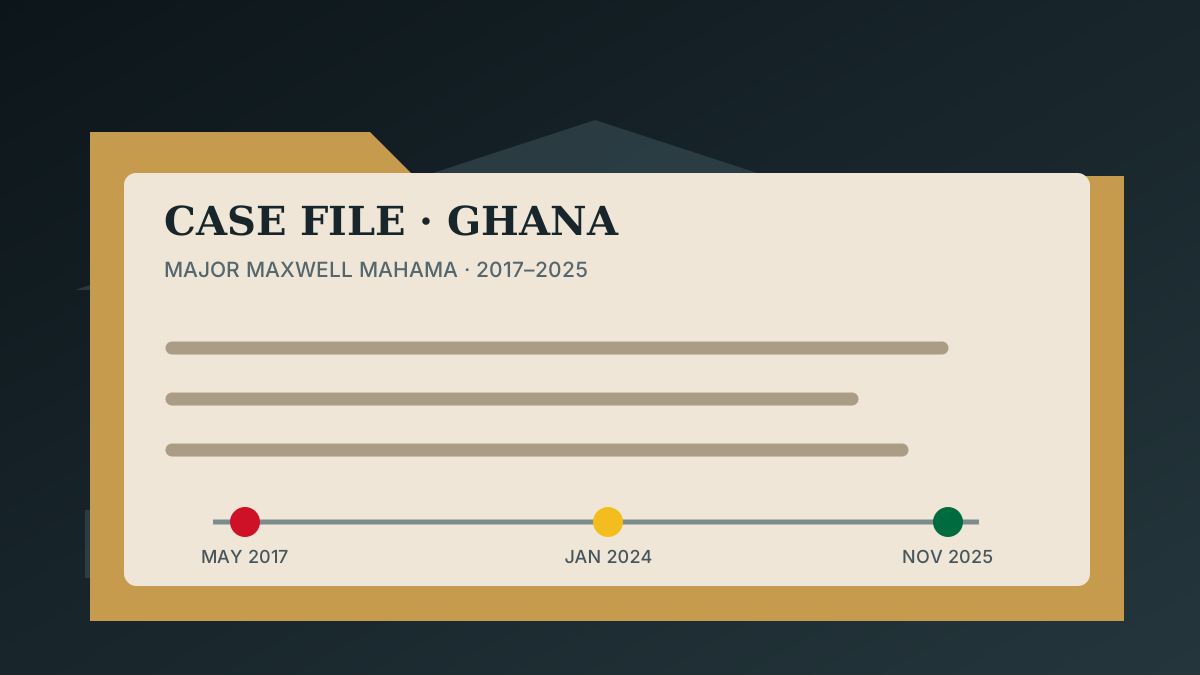
The archive begins with the murder of Major Maxwell Adam Mahama near Denkyira Obuasi on May 29, 2017.
What triggered the attack?
According to the official investigative account, roadside sellers saw Major Mahama's holstered sidearm while he was jogging in civilian clothes. A mistaken report that an armed robber had been seen then spread before the mob attack.
Did the case result in convictions?
Yes. An Accra High Court convicted 12 defendants in January 2024 and sentenced them to life imprisonment. Two other defendants were acquitted at trial.
What changed on appeal?
On November 20, 2025, the Court of Appeal quashed William Baah's abetment conviction and entered a not-guilty verdict. The court found that the jury had been misdirected and that the evidence did not establish that he abetted the murder.
How this Ghana archive is built
Crime by Region treats investigation, accusation, plea, discharge, forensic identification, conviction, adult sentencing, juvenile sentencing, appeal and later sentence reform as separate stages. The Takoradi file preserves discrepancies in names and dates and does not infer automatic resentencing; the Mahama file preserves William Baah's appellate acquittal instead of repeating a superseded group count.
- The Georgina file uses contemporaneous recovery reporting and High Court coverage while keeping the prosecution narrative and alleged motive separate from adjudicated facts.
- The Ishmael file uses court reporting to distinguish the 2024 High Court conviction and life sentence from the juvenile court's later 12-month correctional order; the alleged motive is never presented as supernatural fact.
- The Yaa-Naa file uses the 2011 High Court record to separate charges, acquittals and an untried allegation from political and factional claims.
- The Hussein-Suale file is checked against CPJ, BBC, UN experts and Ghanaian court reporting; the 2025 discharge controls the current status.
- The Takoradi disappearances, recovery dates and DNA announcement are checked against the Ghana Police transcript and established Ghanaian court reporting.
- The 2024 jury verdicts and life sentences are checked against Ghana News Agency and Graphic Online court reporting.
- The 2025 appellate correction is checked against the indexed Court of Appeal judgment and two independent Ghanaian reports.
- The page does not assume that announced appeals were decided when no reliable public outcome was located.
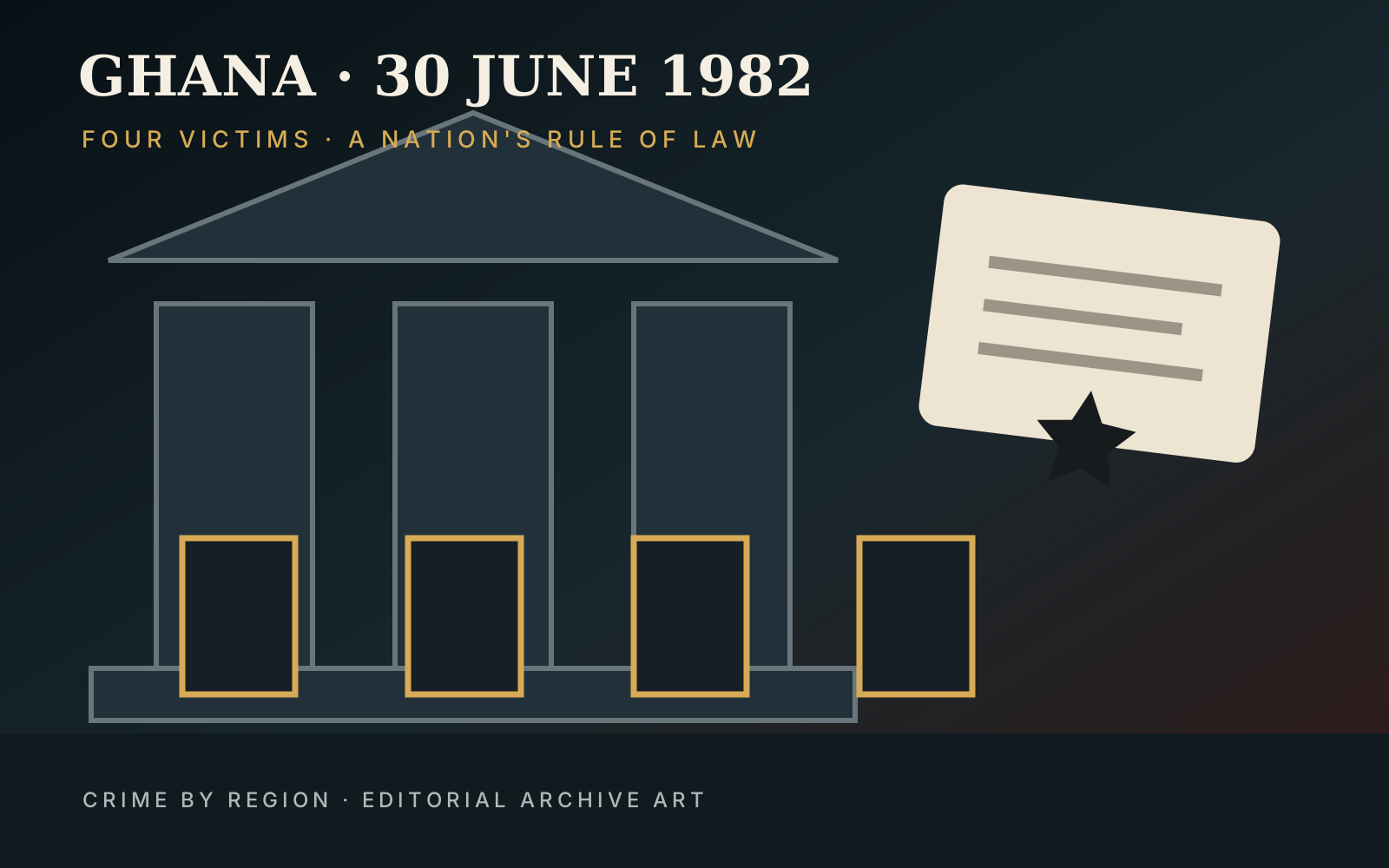
- The 1982 file separates tribunal convictions from inquiry findings and allegations against people who were never tried.
- The source record was reviewed through September 14, 2026. Artwork is editorial and non-graphic, not an authentic image of a victim, defendant or scene.
← Return to the interactive world map