How this archive is classified
“Solved / adjudicated” means that a court reached a final result for a named defendant and defined conduct. It does not mean a massacre or genocide can be reduced to one person, or that all participants were prosecuted.
Why distinguish conviction from enforcement?
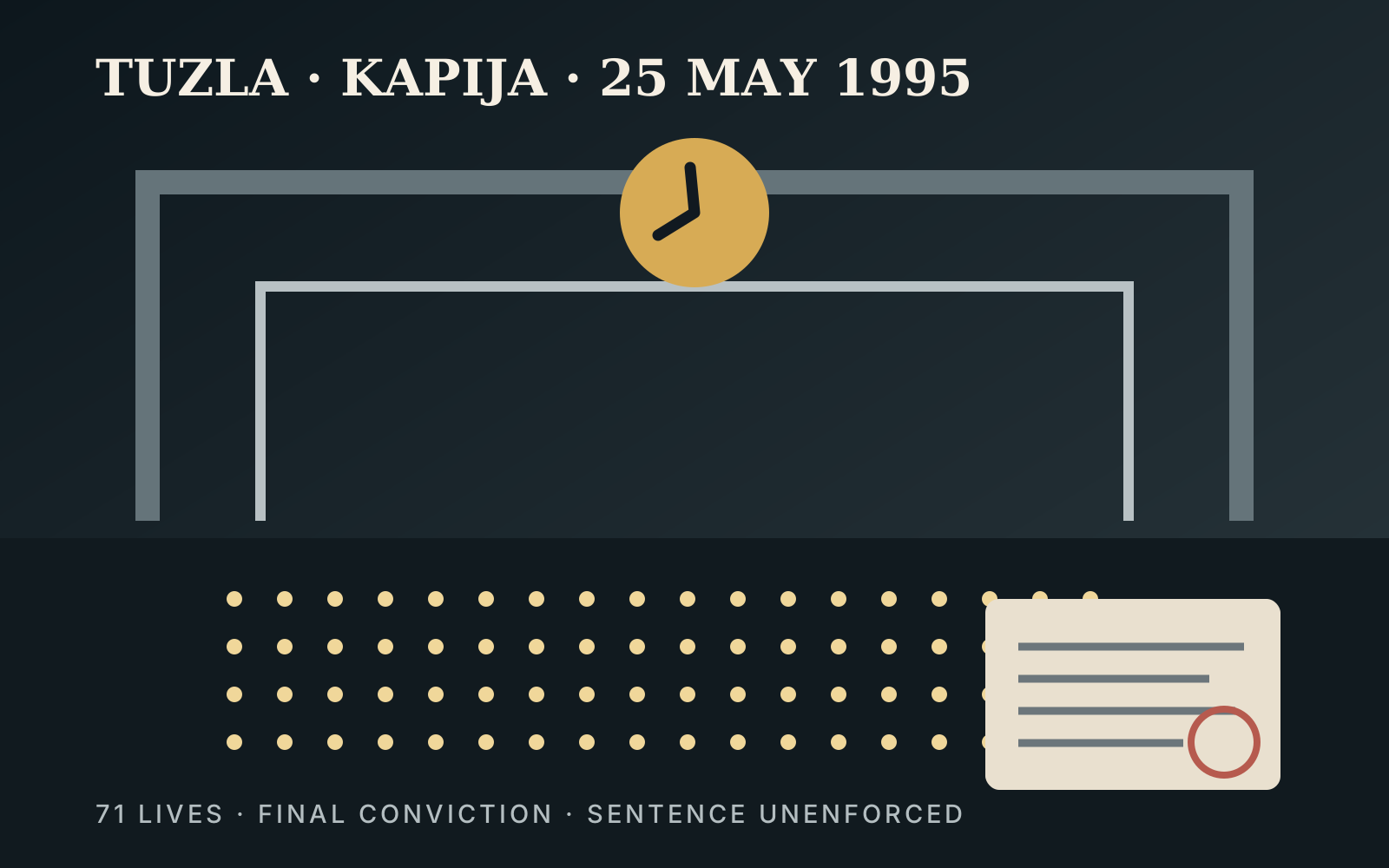
The Tuzla Kapija file records a final 20-year conviction for Novak Đukić, but reliable reporting through June 2026 found that he had not begun serving it in Serbia. Judicial finality and practical enforcement are therefore shown separately.
Why center each judgment's exact scope?
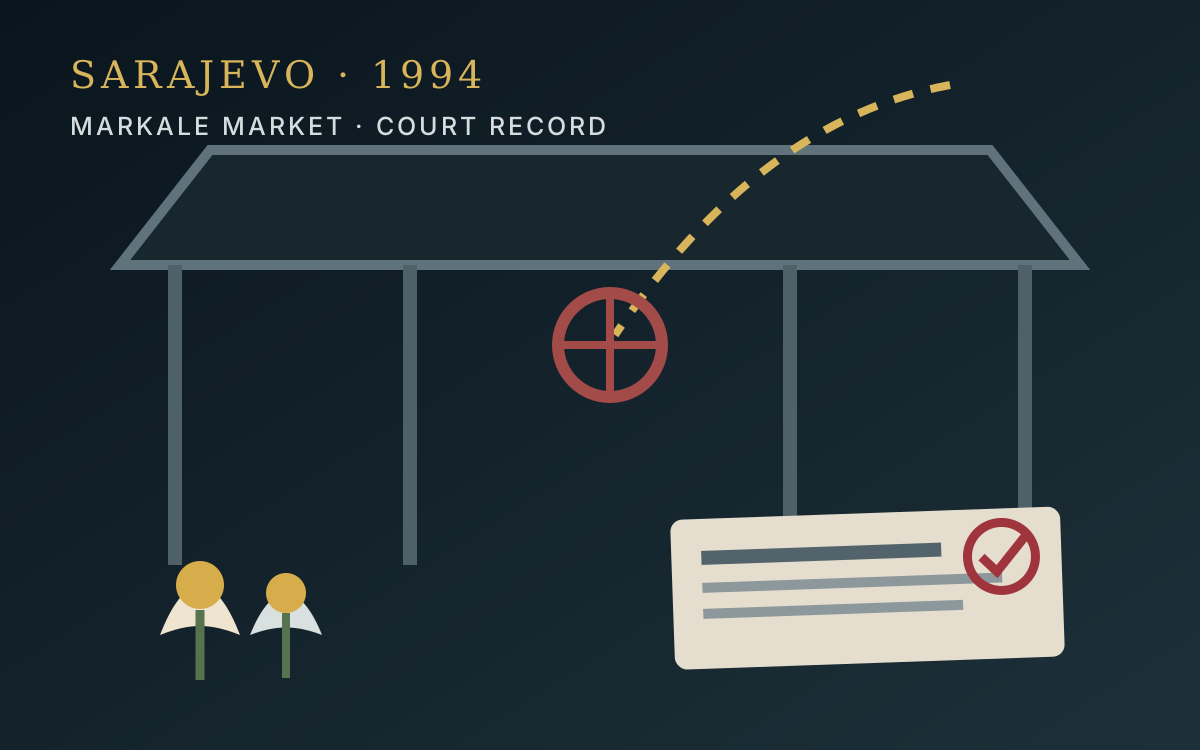
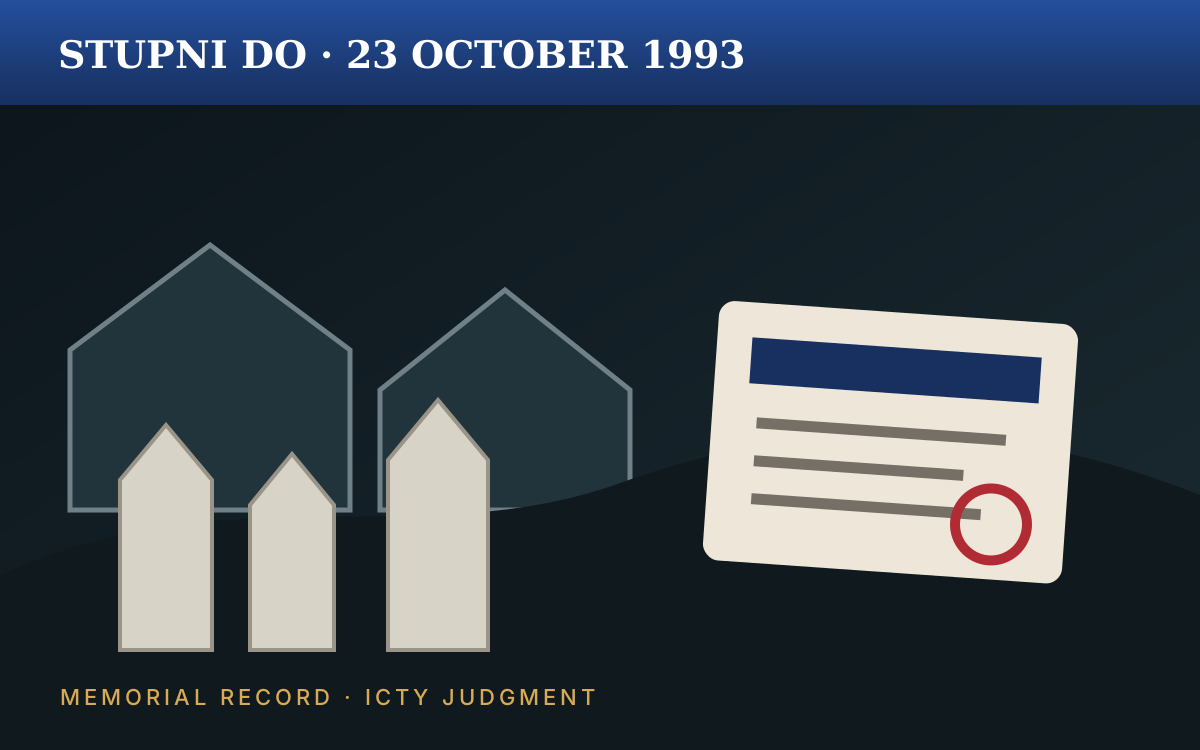
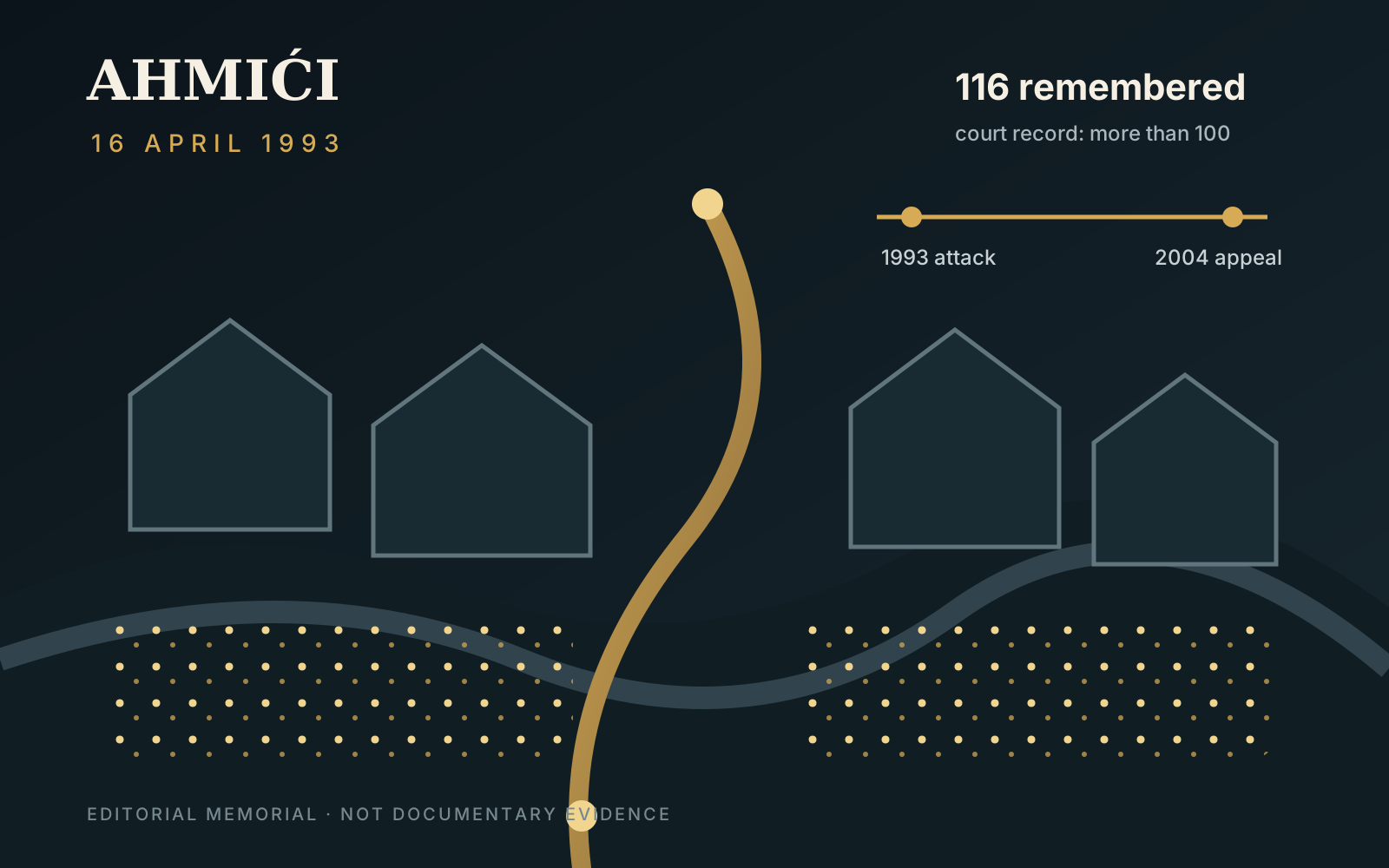
The Višegrad file separates Milan Lukić's convictions for both fire killings from Sredoje Lukić's narrower Pionirska Street responsibility. The Markale file distinguishes final command responsibility from the unidentified mortar crew. Ahmići, Stupni Do, Tuzla and Srebrenica likewise preserve the exact defendants, counts and appellate boundaries decided by courts.
Why is the artwork non-graphic?
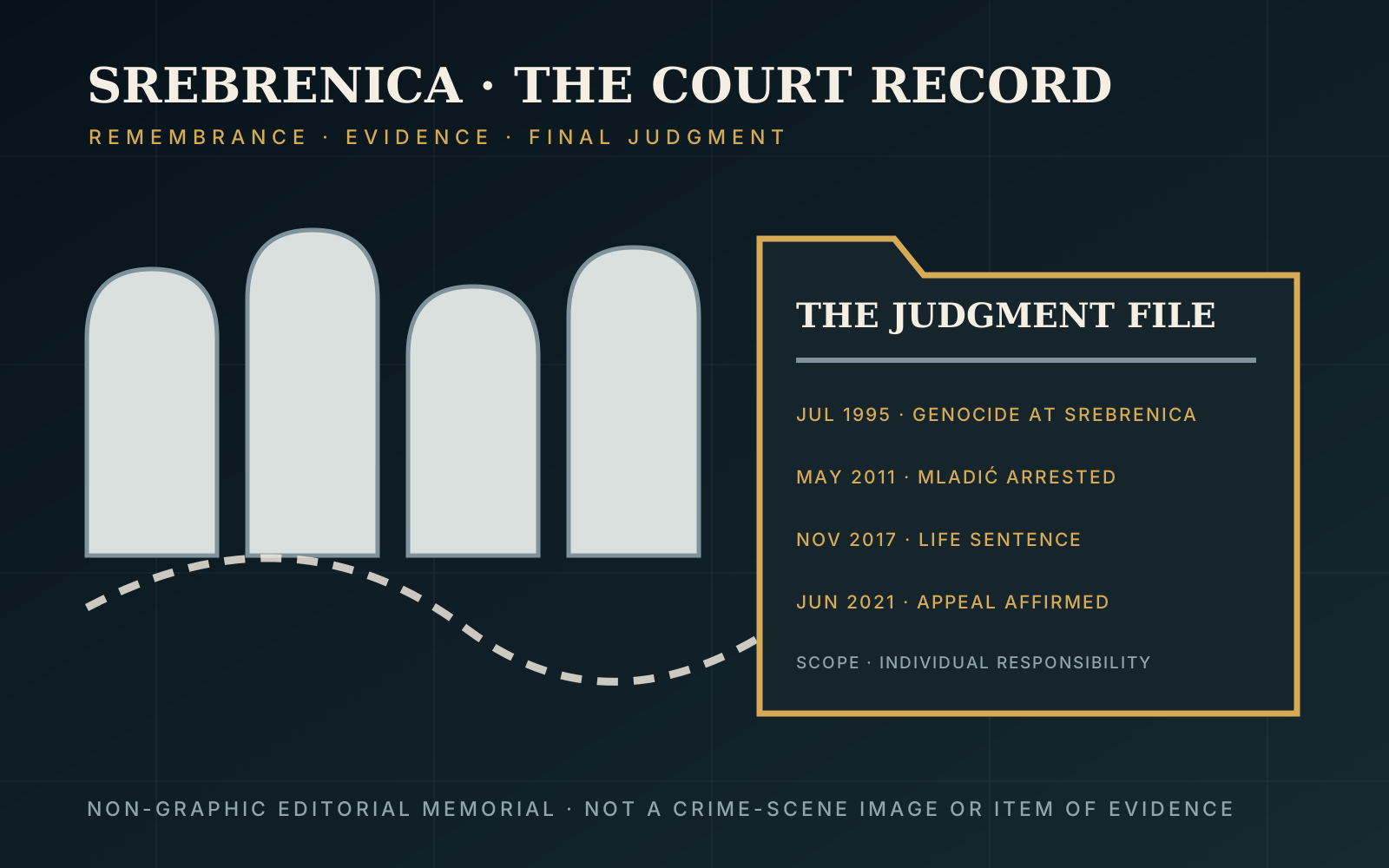
The visuals use Bosnia and Herzegovina's flag, memorial forms and court-file timelines. They do not invent portraits, stage attack sites or present editorial art as evidence.
Bosnia and Herzegovina archive FAQ
How many case files are published?
Crime by Region currently publishes eight verified Bosnia and Herzegovina case files.
Which cases are included?
Tuzla Kapija, Markale, Stupni Do, Ahmići and the Srebrenica genocide file centered on the final Ratko Mladić judgment.
What is the status of Tuzla Kapija?
Novak Đukić's 20-year conviction is final, but the latest review found that he had not begun serving the sentence in Serbia.
Why are the files classified as adjudicated?
Final court judgments established individual criminal responsibility for defined defendants and conduct. The labels do not claim that every perpetrator was prosecuted.
Why do victim totals sometimes vary?
Judicial summaries and later memorial records may use different definitions or reporting periods; each page identifies its source context.
Why use symbolic artwork?
Non-graphic memorial and record imagery respects victims and avoids fabricated crime-scene visuals.
← Return to all country archives