Afghanistan archive FAQ
How many civilians were killed in the 2018 Kabul ambulance bombing?
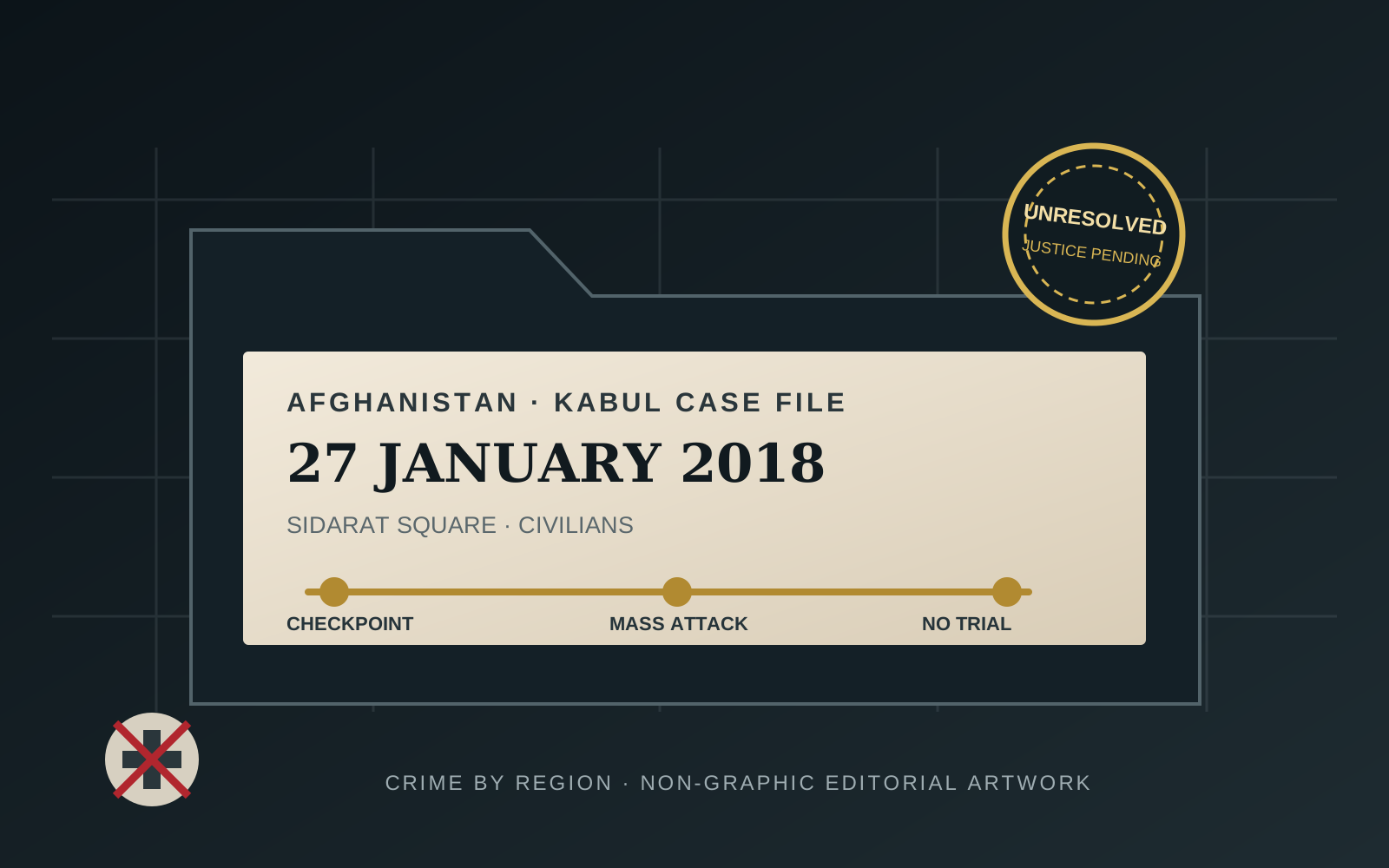
Afghan officials announced 103 deaths and 235 injuries. UNAMA later verified 114 civilians killed and 229 injured, so the case file preserves and attributes both counts.
Was anyone prosecuted for planning the ambulance bombing?
No prosecution or conviction was located. The Taliban claimed responsibility, but the organizational claim is not presented as a judicial finding against unnamed individuals.
What happened at Dasht-e-Barchi maternity hospital?
Armed men attacked the MSF-supported maternity wing on May 12, 2020, killing 24 people. No group claimed responsibility and no comprehensive public judgment identified the planners.
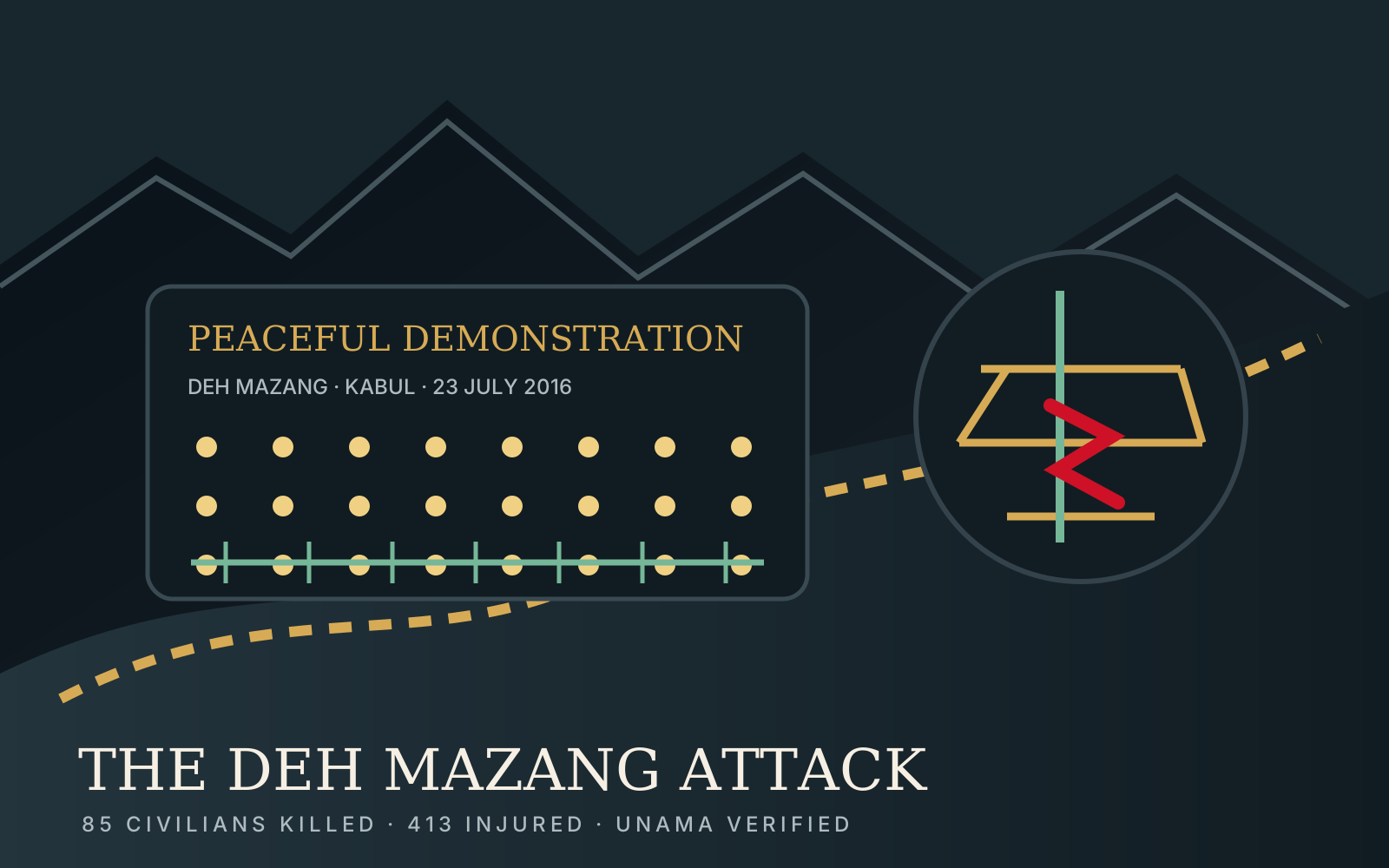
What happened at Deh Mazang Square?
Explosions struck a peaceful Enlightenment Movement demonstration on July 23, 2016. UNAMA verified at least 85 civilians killed and 413 injured.
Who claimed responsibility?
ISKP claimed the attack in an anti-Shia statement. The claim is attributed and is not presented as an individual criminal conviction.
What is the first Afghanistan case in this archive?
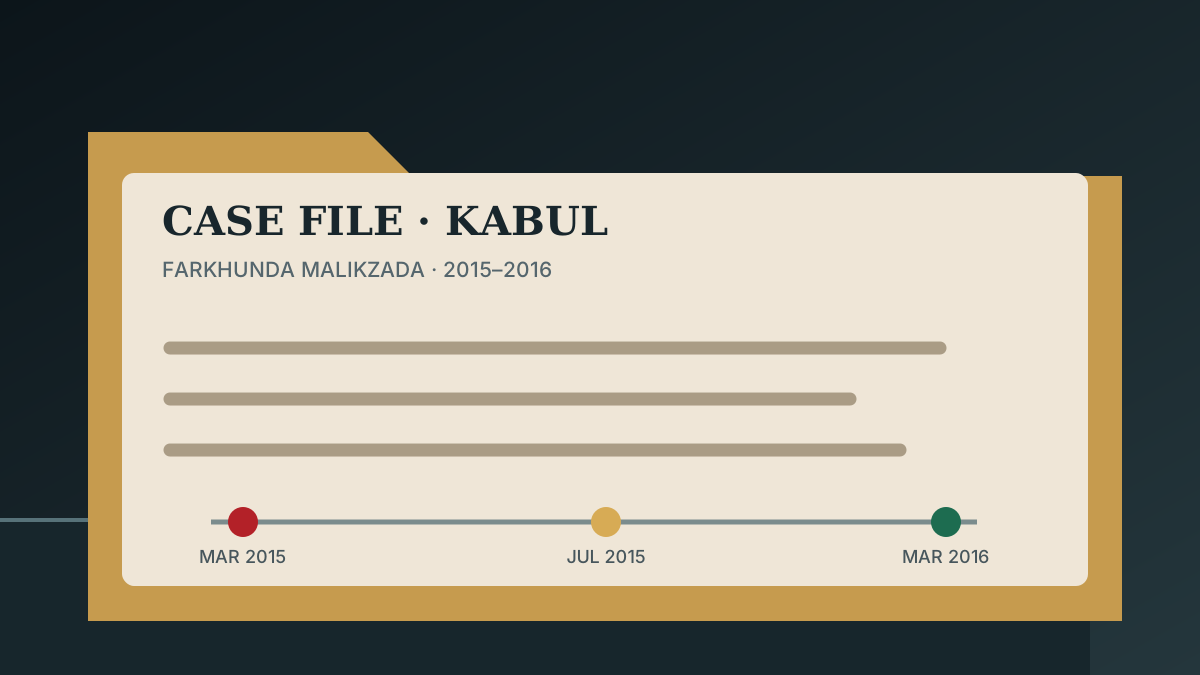
The archive begins with the 2015 murder of Farkhunda Malikzada in central Kabul.
Was the accusation against Farkhunda true?
No evidence supported it. Afghan police confirmed after the killing that there was no evidence she had burned the Quran.
Did the case result in convictions?
Yes. Afghanistan's Supreme Court confirmed prison terms ranging from 10 to 20 years against 13 men in March 2016.
Why is Farkhunda's case not called fully resolved?
Confirmed convictions coexist with documented investigative failures, participants who were not arrested and limited accountability for police officers who failed to intervene.
Were the four journalists' murders adjudicated?
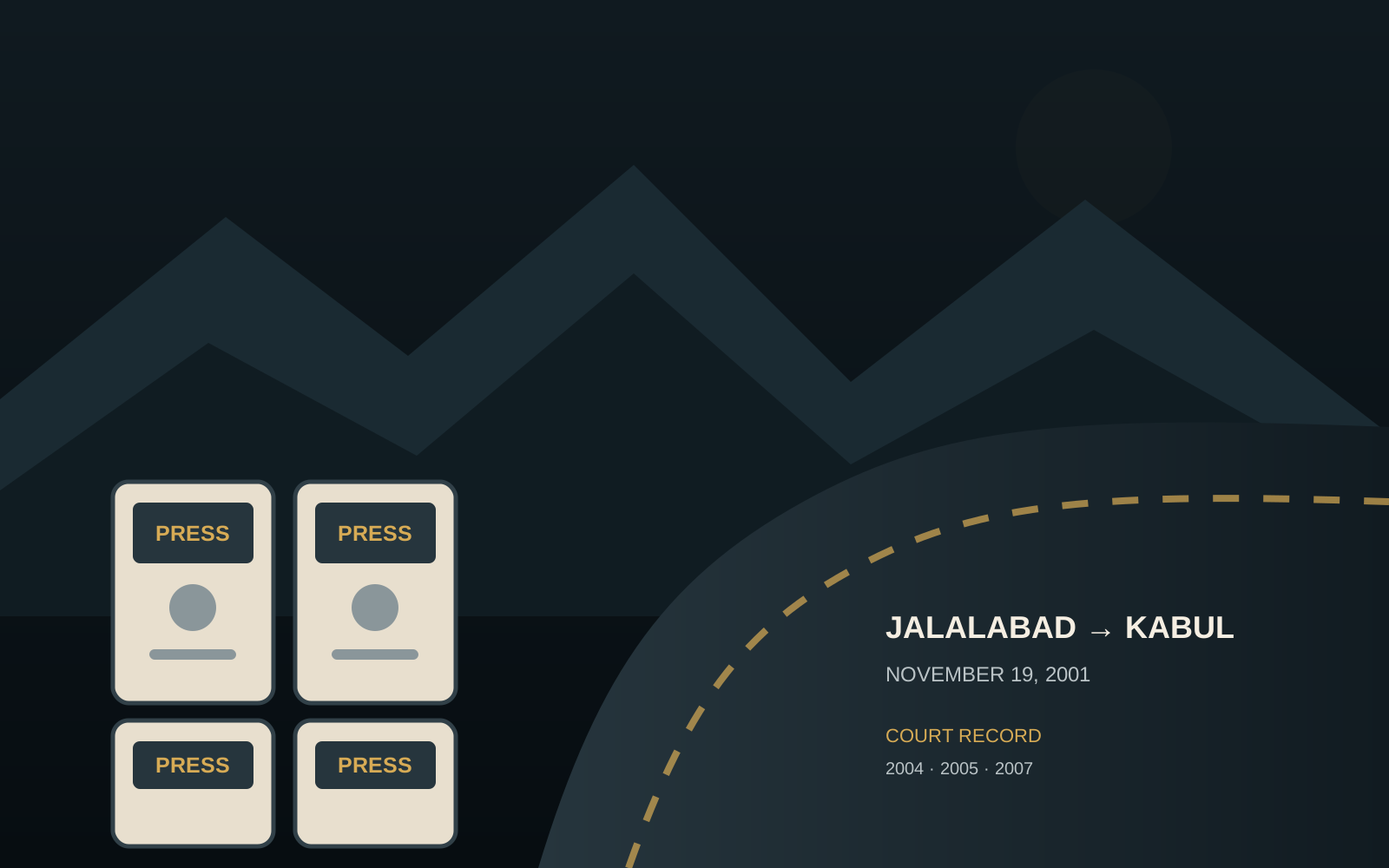
Yes. Three men received death sentences that the Supreme Court reportedly upheld. Rights organizations also documented allegations of unfair trials and lack of counsel.
Why is the Serena Hotel attack classified as partial?
The direct attackers were killed and the Taliban claimed responsibility, but no comprehensive public judgment located for this review established every planner, facilitator or commander.