The Pärnu Methanol Poisoning and the 2003 Convictions
Illegal methanol-tainted spirits killed 68 people. A 2003 judgment convicted eight offenders, while the disaster’s medical and financial consequences continued.
Read the sourced case file →This evidence-led archive begins with the 2001 Pärnu methanol poisoning. Clinical research verified 154 cases and 68 deaths; Estonia’s 2003 judgment convicted eight offenders connected to the illegal-alcohol supply chain. The archive separates those criminal findings from the medical aftermath and the compensation that remained unpaid years later.
Files are placed here only when reliable sources document findings of criminal responsibility.
No case is added merely to fill a category.
“Solved” describes the court record, not the completeness of recovery or compensation.
The Pärnu poisoning combines a documented criminal supply chain, a large peer-reviewed medical record, a completed judgment and an unusually well-preserved account of the public-health response.
Eight people were convicted under the 2003 judgment. That supports a solved/adjudicated label even though survivors carried lasting injuries and later reporting found that substantial court-ordered payments were still outstanding.
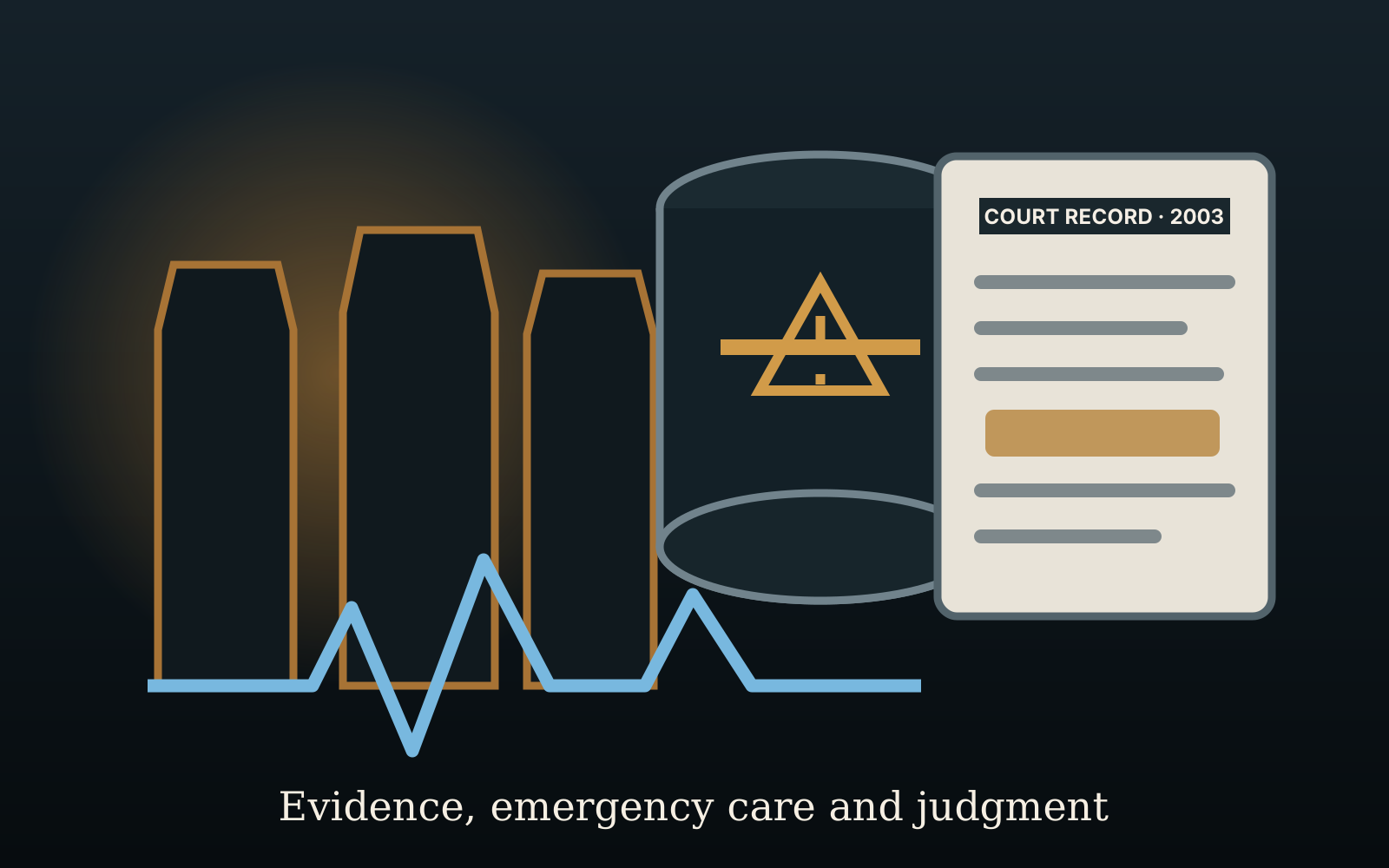
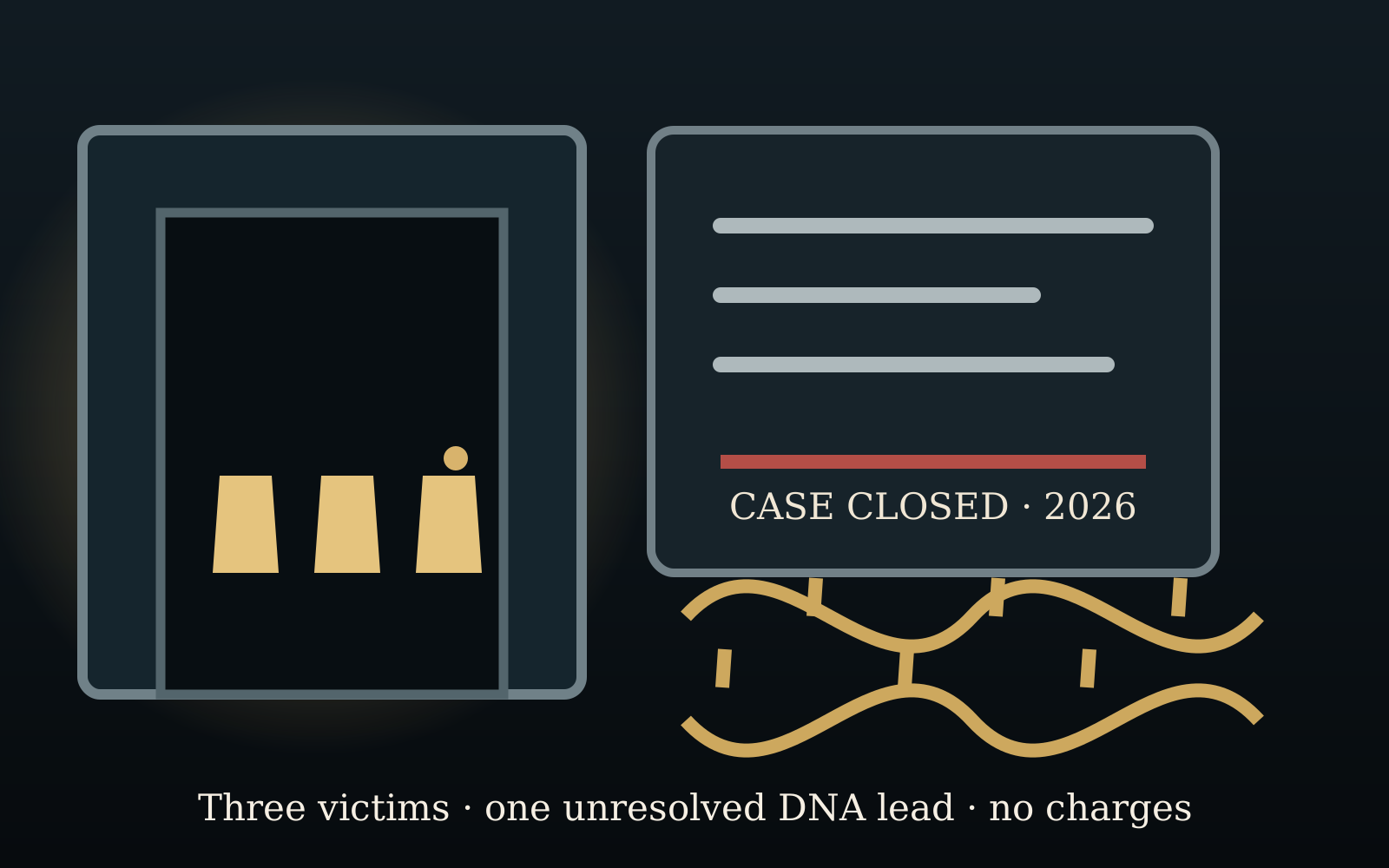
The visuals show bottles, evidence records, emergency care and judicial review without pretending to depict victims, defendants or the original crime scene.

Direct answers grounded in the case record.
Illegal spirits containing methanol circulated in western Estonia in September 2001. Clinical researchers verified 154 poisoning cases, and 68 people died.
Sixty-eight people died: 25 in hospitals and 43 outside hospitals, according to the clinical study of the outbreak.
The illegal-alcohol supply chain was investigated and a 2003 judgment convicted eight offenders. The classification records adjudicated criminal responsibility; it does not imply that the harm was fully repaired.
No. The peer-reviewed case series confirmed 111 hospital cases and documented 43 additional victims who died outside hospital, producing a total of 154 verified cases.
Follow-up research found that visual or neurological impairment present at discharge persisted six years later among the survivors researchers could assess.
No. Estonian public-broadcasting reporting in 2018 found that much of the court-ordered compensation and health-insurance reimbursement remained unpaid.